
Safety
General information, not medical advice
Your prescriber and the leaflet in your pack know your situation. This page does not.
- Follow your prescriber and the leaflet
- Don't start, stop, or change a dose on your own
- Doses and warnings differ by country and product
Zestril Tablet: Uses, Dosage, Side Effects, Precautions and Alternates
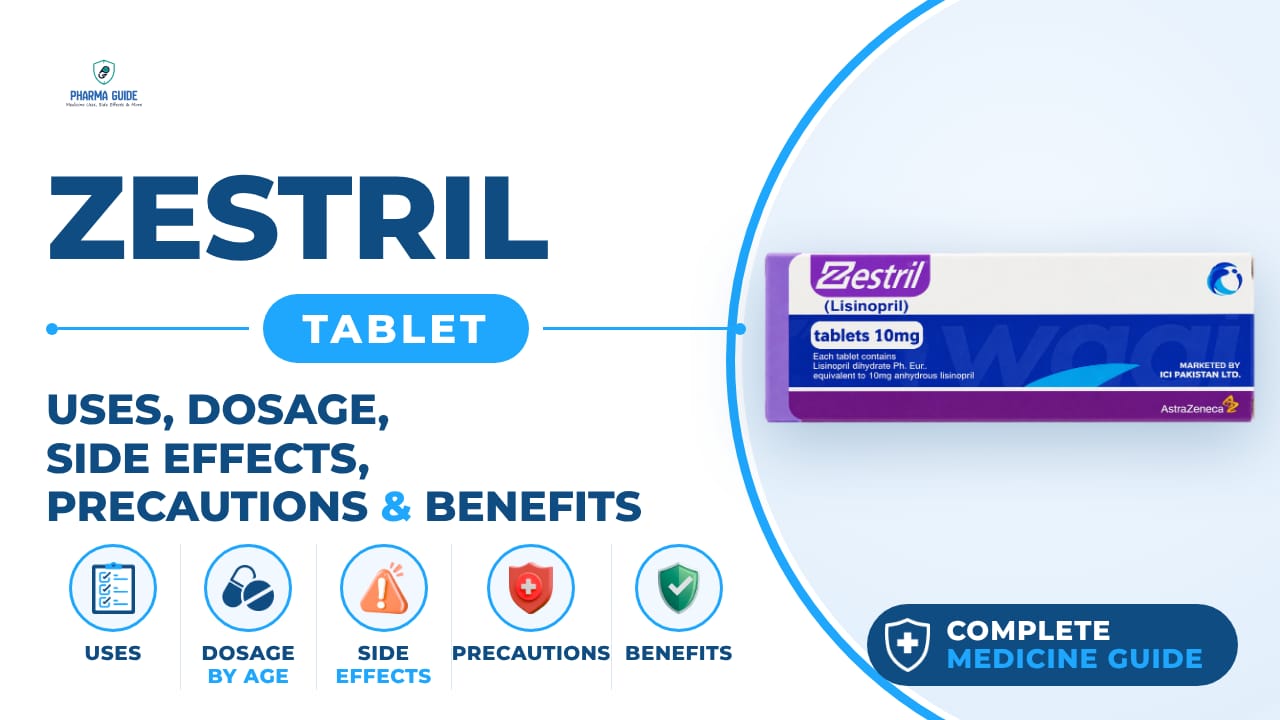
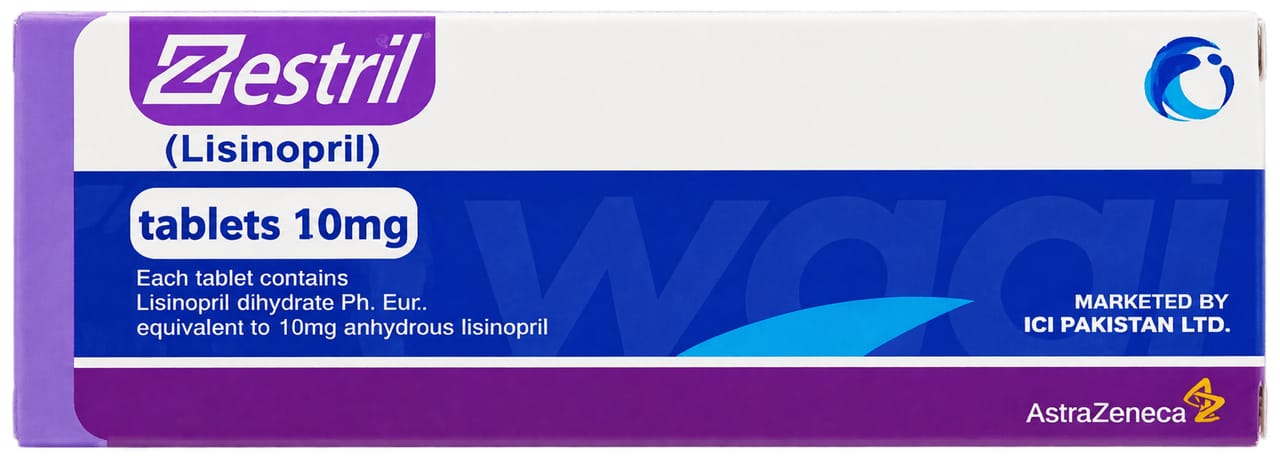
| Generic name | Lisinopril |
|---|---|
| Drug class | Angiotensin Converting Enzyme (ACE) Inhibitor |
| Forms | Oral tablet (2.5 mg, 5 mg, 10 mg, 20 mg, 30 mg, 40 mg) |
Quick overview
Zestril Tablet contains lisinopril, an ACE inhibitor used to manage high blood pressure, congestive heart failure, and survival after a heart attack. It works by relaxing blood vessels and helping the body release extra water, easing the heart's workload. Dosing varies by age, and it should not be used during pregnancy. Common side effects include headache, dizziness, and cough, while serious effects require prompt medical attention.
What is Zestril Tablet
Zestril is a brand-name prescription tablet that contains the active drug lisinopril. It belongs to a group of medicines called ACE inhibitors, which help widen blood vessels so blood flows more easily and the heart doesn't have to work as hard.
Zestril Tablet uses
- Treating high blood pressure (hypertension) in adults and children 6 years and older, alone or with other blood pressure medicines
- Treating congestive heart failure in adults, usually along with other heart failure medicines
- Improving survival and reducing risk of death after a heart attack
- Reducing kidney complications in diabetic patients (as described by one source)
Benefits of Zestril Tablet
- Helps lower high blood pressure
- Helps the heart pump blood more efficiently
- May improve survival after a heart attack
- Used with other medicines to help manage heart failure symptoms
How Zestril Tablet works
Zestril blocks an enzyme called ACE that normally converts a hormone into a form that tightens blood vessels and causes the body to hold onto water. By blocking this enzyme, Zestril allows blood vessels to stay wider and helps the body get rid of extra water, which lowers blood pressure and reduces the workload on the heart.
Zestril Tablet dosage
Take Zestril exactly as prescribed by your doctor and follow all directions on your prescription label. It may be taken with or without food, and try to take it at the same time each day. Your blood pressure and blood tests may need to be checked often while you take this medicine. Keep taking Zestril even if you feel well, since high blood pressure often has no symptoms, and do not stop taking this medicine without talking to your doctor first. If you have trouble swallowing tablets, talk to your doctor or pharmacist about other ways to take this drug, such as a liquid suspension or splitting the tablet. Tell your doctor if you have a planned surgery. Call your doctor if you have ongoing vomiting, diarrhea, or unusual sweating, since this can lead to dehydration and low blood pressure.
| Age group | Dose |
|---|---|
| Under 6 years | Not routinely recommended |
| 6–16 years | 2.5–5 mg once daily initially; doctor may adjust |
| 17 years & older | 10 mg once daily initially |
| Adults | 10 mg once daily initially; usual maintenance 20–40 mg once daily |
| Older adults | Lower starting dose may be needed, especially with kidney impairment |
Available forms and strengths
Oral tablet (2.5 mg, 5 mg, 10 mg, 20 mg, 30 mg, 40 mg)
Side effects of Zestril Tablet
Common
- Headache
- Dizziness
- Low blood pressure
- Cough
- Chest pain
- Fatigue/weakness
- Blurred vision
- Abdominal pain
- Diarrhoea
- Fast heartbeat
- Joint pain
- Skin rash
- Indigestion/heartburn
- Nausea, vomiting
Serious
- Allergic reaction: severe stomach pain, hives, difficulty breathing, swelling of face, lips, tongue, or throat
- High blood potassium: nausea, weakness, tingly feeling, chest pain, irregular heartbeats, loss of movement
- Low white blood cell counts: fever, mouth sores, skin sores, sore throat, cough
- Kidney problems: swelling, urinating less, feeling tired or short of breath
- Liver problems: loss of appetite, upper right stomach pain, tiredness, itching, dark urine, clay-colored stools, jaundice
- Angioedema: rapid swelling of face, lips, tongue, throat, arms, or legs with trouble breathing or belly pain
- Very low blood pressure, especially with dehydration
Warnings and precautions
- Zestril should not be used during pregnancy because it can seriously harm or even cause the loss of the unborn baby.
- Stop taking it and contact your doctor right away if you become pregnant.
- Breastfeeding is not recommended while taking Zestril.
- People with kidney disease may need dose adjustments and closer monitoring, since Zestril can affect kidney function and increase the risk of low blood pressure.
- Zestril can affect the liver, so liver function should be monitored during treatment, and you should tell your doctor about any signs of liver problems.
- Drinking alcohol while taking Zestril can increase the risk of dizziness and low blood pressure, so it should be avoided or limited.
- This medicine can cause dizziness or drowsiness, so avoid driving or operating machinery if you experience these effects.
- Do not use Zestril if you have ever had angioedema (a severe allergic swelling reaction).
- Do not take Zestril within 36 hours of taking medicine containing sacubitril, such as Entresto.
- If you have diabetes, do not use Zestril together with medicines containing aliskiren, since this combination may not work well and can cause serious effects.
- This drug carries the FDA's most serious boxed warning because it can seriously harm a developing baby or cause miscarriage if used during pregnancy.
- People with kidney disease may also need to avoid taking Zestril with aliskiren.
Storage
- Store tightly closed at room temperature, away from moisture and heat
- Do not freeze
- Zestril tablets should be stored at room temperature between 68°F and 77°F (20°C and 25°C)
- Keep in a tightly sealed container and protect from moisture
- Avoid storing in areas where it could get damp or wet, such as bathrooms
- Keep the medicine out of the reach of children and pets
- Dispose of unused or expired medicine safely rather than throwing it in the trash or flushing it, unless instructed to do so
When to see a doctor
- Get emergency medical help right away if you have signs of an allergic reaction, such as severe stomach pain, hives, trouble breathing, or swelling of the face, lips, tongue, or throat.
- Call your doctor right away if you feel lightheaded like you might pass out, or notice symptoms of high potassium such as nausea, weakness, tingling, chest pain, or irregular heartbeats.
- Seek medical help right away if you have symptoms of kidney problems, such as swelling, urinating less, or feeling very tired or short of breath.
- Seek medical help if you notice signs of liver problems, such as loss of appetite, upper right stomach pain, tiredness, itching, dark urine, clay-colored stools, or yellowing of the skin or eyes.
- If you overdose, seek emergency medical attention or contact your local poison control center right away.
- Stop taking Zestril and tell your doctor right away if you become pregnant while using this medicine.
Alternatives
Other brand names containing lisinopril include Prinivil and Qbrelis. Substitute products containing the same or similar formulation include Hipril, Hypernil, Lipril, Listril, and Odace tablets. A low dose of a diuretic, such as hydrochlorothiazide, may be added if blood pressure is not controlled with Zestril alone.
Watch the video
FAQs
What is Zestril Tablet used for?
Zestril is used to treat high blood pressure in adults and children 6 years and older, treat congestive heart failure, and improve survival after a heart attack.
How does Zestril Tablet work?
Zestril blocks an enzyme called ACE that tightens blood vessels and causes water retention. By blocking this enzyme, it keeps blood vessels wider and helps the body get rid of extra water, lowering blood pressure and reducing the heart's workload.
What is the usual adult dose of Zestril Tablet?
Adults typically start with 10 mg once daily, with a usual maintenance dose of 20–40 mg once daily, as directed by a doctor.
What are the common side effects of Zestril Tablet?
Common side effects include headache, dizziness, low blood pressure, cough, chest pain, fatigue, blurred vision, abdominal pain, diarrhoea, fast heartbeat, joint pain, skin rash, indigestion, and nausea or vomiting.
Can Zestril Tablet be used during pregnancy?
No, Zestril should not be used during pregnancy because it can seriously harm or cause the loss of the unborn baby. It carries the FDA's most serious boxed warning for this risk, and patients should stop taking it and contact their doctor right away if they become pregnant.
General information, not medical advice
Your prescriber and the leaflet in your pack know your situation. This page does not.
- Follow your prescriber and the leaflet
- Don't start, stop, or change a dose on your own
- Doses and warnings differ by country and product
Sources
Video
Related medicines
Benazepril Tablet: Uses, Dosage, Side Effects, Precautions and Alternates
Angiotensin Converting Enzyme (ACE) Inhibitor
Benazepril Tablet is an ACE inhibitor used to treat high blood pressure in adults. Learn its uses, dosage, side effects, and warnings here.
Perindopril Tablet: Uses, Dosage, Side Effects, Precautions and Alternates
Angiotensin-converting enzyme (ACE) inhibitor
Perindopril Tablet is an ACE inhibitor used for high blood pressure, heart failure, and cardiac risk reduction. Learn dosage, side effects, and precautions.