
Safety
General information, not medical advice
Your prescriber and the leaflet in your pack know your situation. This page does not.
- Follow your prescriber and the leaflet
- Don't start, stop, or change a dose on your own
- Doses and warnings differ by country and product
Zinc Sulfate Syrup: Uses, Dosage, Side Effects, Precautions and Alternates
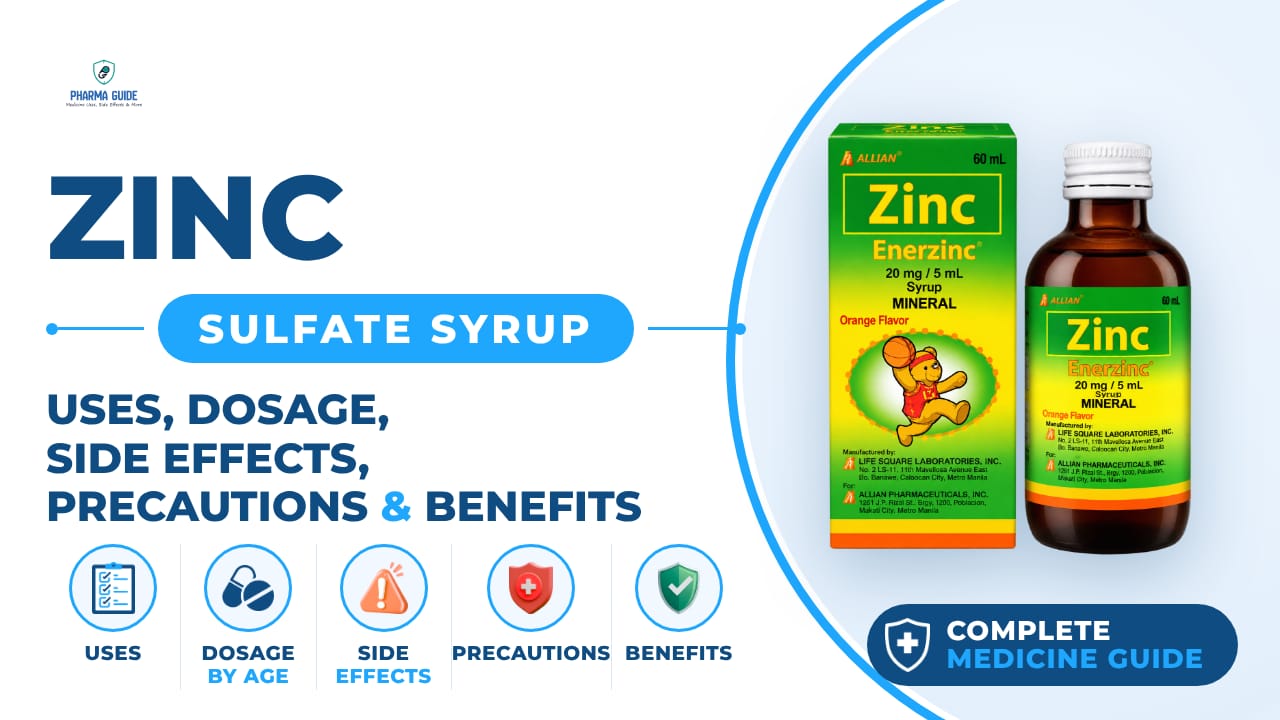
| Generic name | Zinc sulfate |
|---|---|
| Drug class | Minerals and electrolytes |
| Forms | Oral capsule, Oral tablet, Syrup/liquid solution, Injection (intravenous), Topical form |
Quick overview
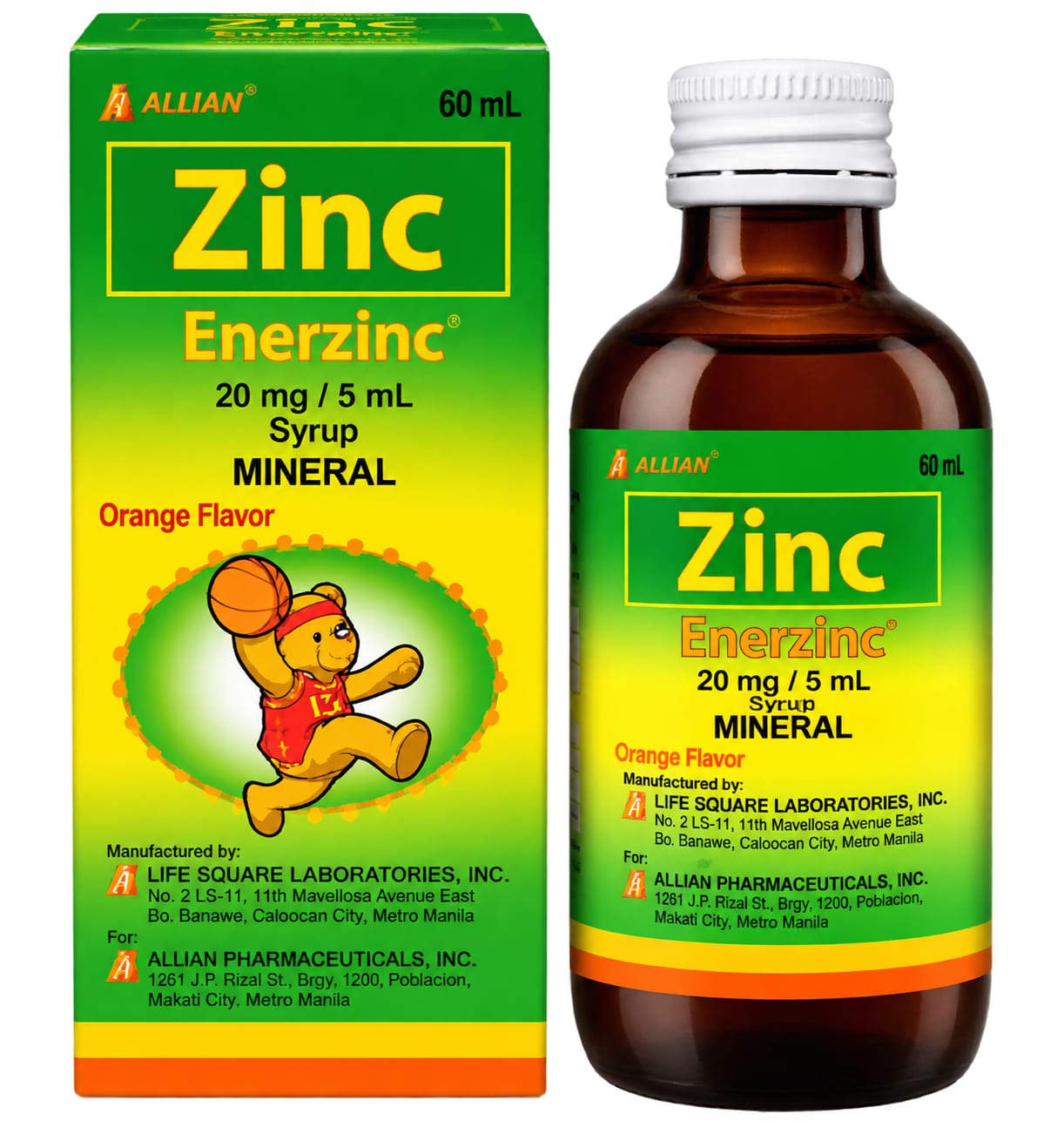
Zinc Sulfate Syrup contains zinc sulfate, a mineral supplement from the minerals and electrolytes class. It is used to treat and prevent zinc deficiency and to support immune system function. It is also used with oral rehydration therapy in children with diarrhea and as a supplement in intravenous nutrition. Common side effects include stomach upset and nausea, while serious effects can occur with excessive or long-term high-dose use.
What is Zinc Sulfate Syrup
Zinc is a naturally occurring mineral that is important for growth and for the development and health of body tissues. Zinc sulfate is used to treat and prevent zinc deficiency and to support immune system function.
Zinc Sulfate Syrup uses
- Treating and preventing zinc deficiency
- Supporting immune system function
- Used with oral rehydration therapy to correct zinc deficiency, including in children with diarrhea
- Used as a supplement in intravenous nutrition (Total Parenteral Nutrition)
Benefits of Zinc Sulfate Syrup
- Corrects low zinc levels that can cause immune problems, poor wound healing, and skin issues
- Supports immune function and helps the body fight infections
- Promotes wound healing by helping form new cells and collagen
How Zinc Sulfate Syrup works
Zinc is needed for normal growth and body maintenance. It plays a role in immune function, wound healing, blood clotting, and thyroid function.
Zinc Sulfate Syrup dosage
Take exactly as directed on the label or as prescribed by your doctor; do not take more or less than recommended or for longer than advised. Take with a full glass of water. Take with food if it upsets your stomach.
Avoid taking at the same time as foods high in calcium or phosphorus (such as milk, cheese, yogurt, ice cream, beans, peas, lentils, nuts, peanut butter, beer, cola soft drinks, and hot cocoa), as these can make it harder for your body to absorb zinc.
If you miss a dose, take it as soon as you remember; if it is almost time for your next dose, skip the missed dose and do not double up.
| Age group | Dose |
|---|---|
| Under 6 months | 10 mg elemental zinc once daily |
| 6 months–5 years | 20 mg elemental zinc once daily |
| Over 5 years | Dose depends on the indication; doctor/pharmacist advice recommended |
| Adults | Dose depends on the indication; not routinely used for diarrhea unless advised |
Available forms and strengths
- Oral capsule
- Oral tablet
- Syrup/liquid solution
- Injection (intravenous)
- Topical form
Side effects of Zinc Sulfate Syrup
Common
- Nausea
- Upset stomach
- Metallic taste
- Stomach discomfort, cramping, bloating, or gas
- Vomiting
- Headache
- Diarrhea or constipation
- Dizziness
- Peeling of skin
Serious
- Signs of allergic reaction such as hives, difficulty breathing, or swelling of the face, lips, tongue, or throat
- Swelling of face, lips, eyelids, tongue, hands, and feet
- Copper deficiency from long-term high doses, which can cause neurological problems, anemia, and weak bones
- Stomach bleeding or ulcers from very high doses taken on an empty stomach
- Neurological symptoms such as numbness, weakness, or tingling in limbs from excessive intake
Warnings and precautions
- Ask a doctor or pharmacist before using this medicine if you have health problems, take other medications, or are pregnant or breastfeeding.
- Follow all directions on the label and package exactly as directed.
- Do not use this medicine if you are allergic to zinc sulfate, other zinc supplements, or any of its inactive ingredients.
- This medicine may interact with many other medicines and cause serious side effects, so tell your doctor about all medicines, herbs, and supplements you use.
- Taking too much zinc can be seriously harmful, and very high single doses can be fatal.
- This medicine is not recommended during pregnancy unless necessary. Your doctor may prescribe it if the benefits outweigh the risks.
- This medicine is not recommended while breastfeeding unless necessary. Your doctor may prescribe it if the benefits outweigh the risks.
- People with kidney problems should use this medicine with caution because of an increased risk of serious side effects. Kidney function may need to be monitored and the dose adjusted.
- It is not known how this medicine interacts with alcohol. Ask your doctor before drinking alcohol while taking it.
Storage
- Store at room temperature away from moisture and heat
- Keep out of reach of children
When to see a doctor
- Get emergency medical help if you have signs of an allergic reaction such as hives, difficulty breathing, or swelling of your face, lips, tongue, or throat.
- Seek emergency medical attention if you think you have taken too much of this medicine. Overdose symptoms may include nausea, severe vomiting, dehydration, and restlessness.
- Contact your doctor if you have persistent nausea, vomiting, or stomach pain, or if you develop numbness, tingling, or weakness in your limbs, or notice unusual bruising or bleeding.
Alternatives
- Vitamin C
- Zinc
- Orazinc 110
- Orazinc 220
- Zinc-220
- Zinca-pak
Watch the video
FAQs
What is Zinc Sulfate Syrup used for?
It treats and prevents zinc deficiency, supports immune system function, is used with oral rehydration therapy in children with diarrhea, and as a supplement in intravenous nutrition.
What is the dosage of Zinc Sulfate Syrup for children?
Children under 6 months take 10 mg elemental zinc once daily, and those 6 months to 5 years take 20 mg elemental zinc once daily. For children over 5 years and adults, dose depends on the indication, so doctor or pharmacist advice is recommended.
What are the common side effects of Zinc Sulfate Syrup?
Common side effects include nausea, upset stomach, metallic taste, stomach discomfort, cramping, bloating, gas, vomiting, headache, diarrhea or constipation, dizziness, and peeling of skin.
Can I take Zinc Sulfate Syrup with food high in calcium?
No, avoid taking it with foods high in calcium or phosphorus such as milk, cheese, yogurt, beans, nuts, and cola drinks, as these can reduce zinc absorption.
Is Zinc Sulfate Syrup safe during pregnancy?
It is not recommended during pregnancy unless necessary, and a doctor may prescribe it only if the benefits outweigh the risks.
General information, not medical advice
Your prescriber and the leaflet in your pack know your situation. This page does not.
- Follow your prescriber and the leaflet
- Don't start, stop, or change a dose on your own
- Doses and warnings differ by country and product
Sources
Video
Related medicines
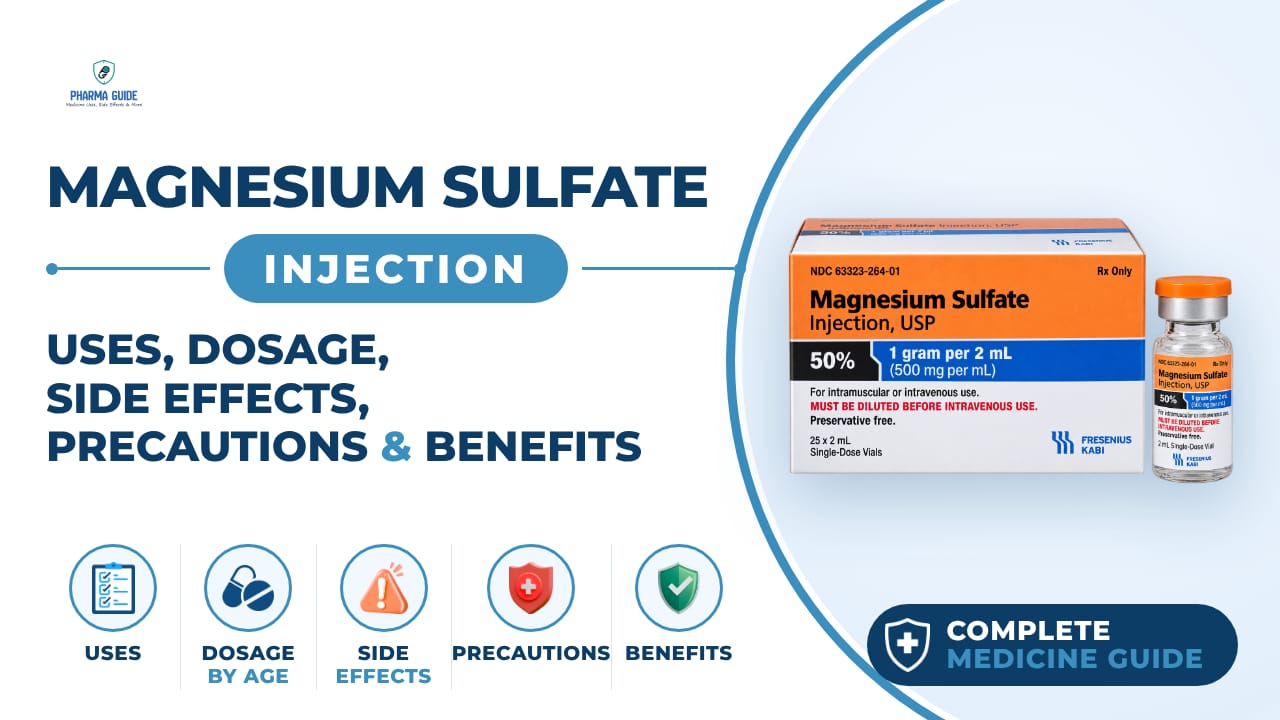
Magnesium Sulfate Injection: Uses, Dosage, Side Effects, Precautions and Alternates
Minerals and electrolytes
Magnesium Sulfate Injection treats low magnesium, prevents eclampsia seizures, and lowers high potassium. Learn uses, dosage, side effects, and precautions.
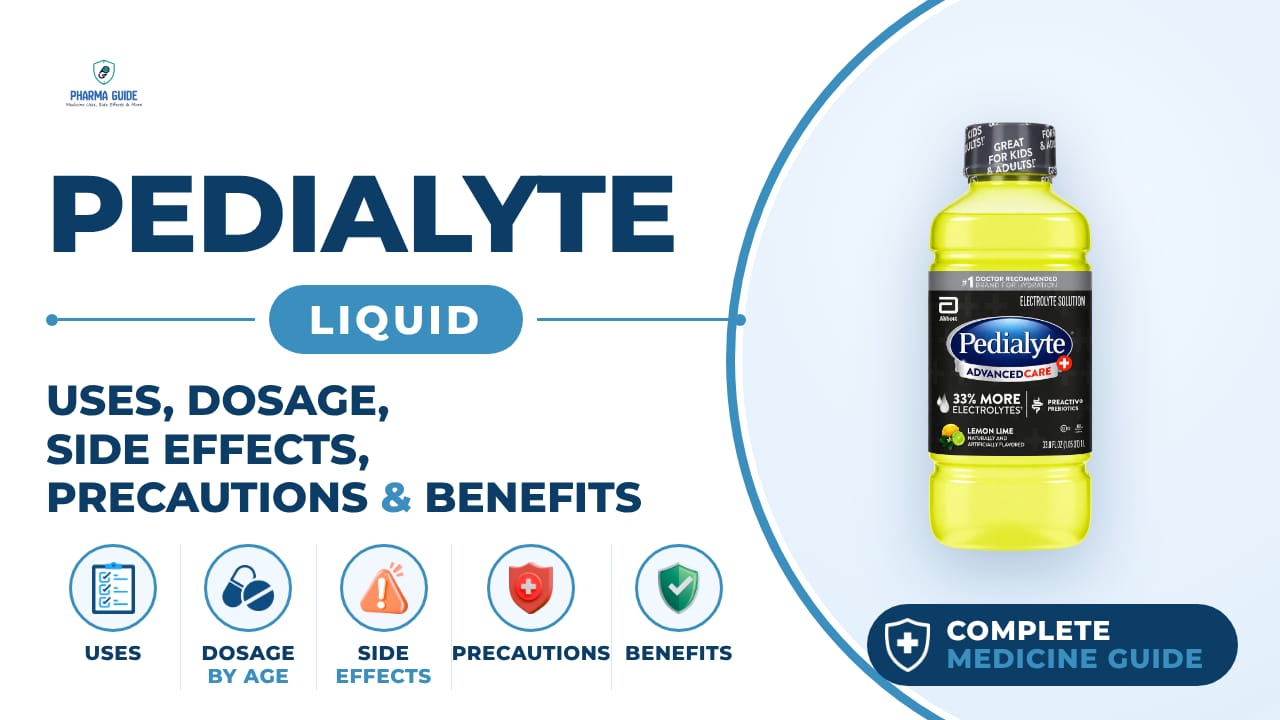
Pedialyte Liquid: Uses, Dosage, Side Effects, Precautions and Alternates
minerals and electrolytes
Pedialyte Liquid replaces fluids and electrolytes lost from diarrhea, vomiting, or sweating. Learn uses, dosage by age, side effects, and warnings.