
Safety
General information, not medical advice
Your prescriber and the leaflet in your pack know your situation. This page does not.
- Follow your prescriber and the leaflet
- Don't start, stop, or change a dose on your own
- Doses and warnings differ by country and product
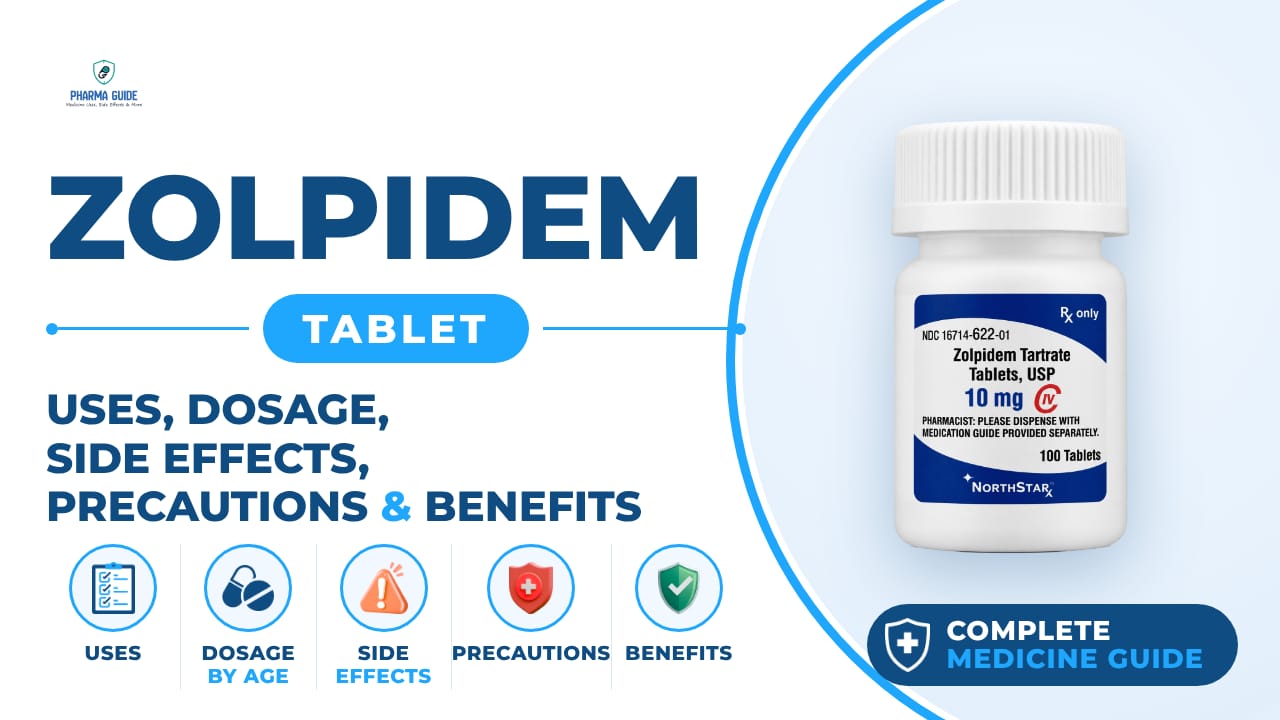
Zolpidem Tablet: Uses, Dosage, Side Effects, Precautions and Alternates
| Generic name | Zolpidem tartrate |
|---|---|
| Drug class | Hypnotic (Z-drug / non-benzodiazepine hypnotic) |
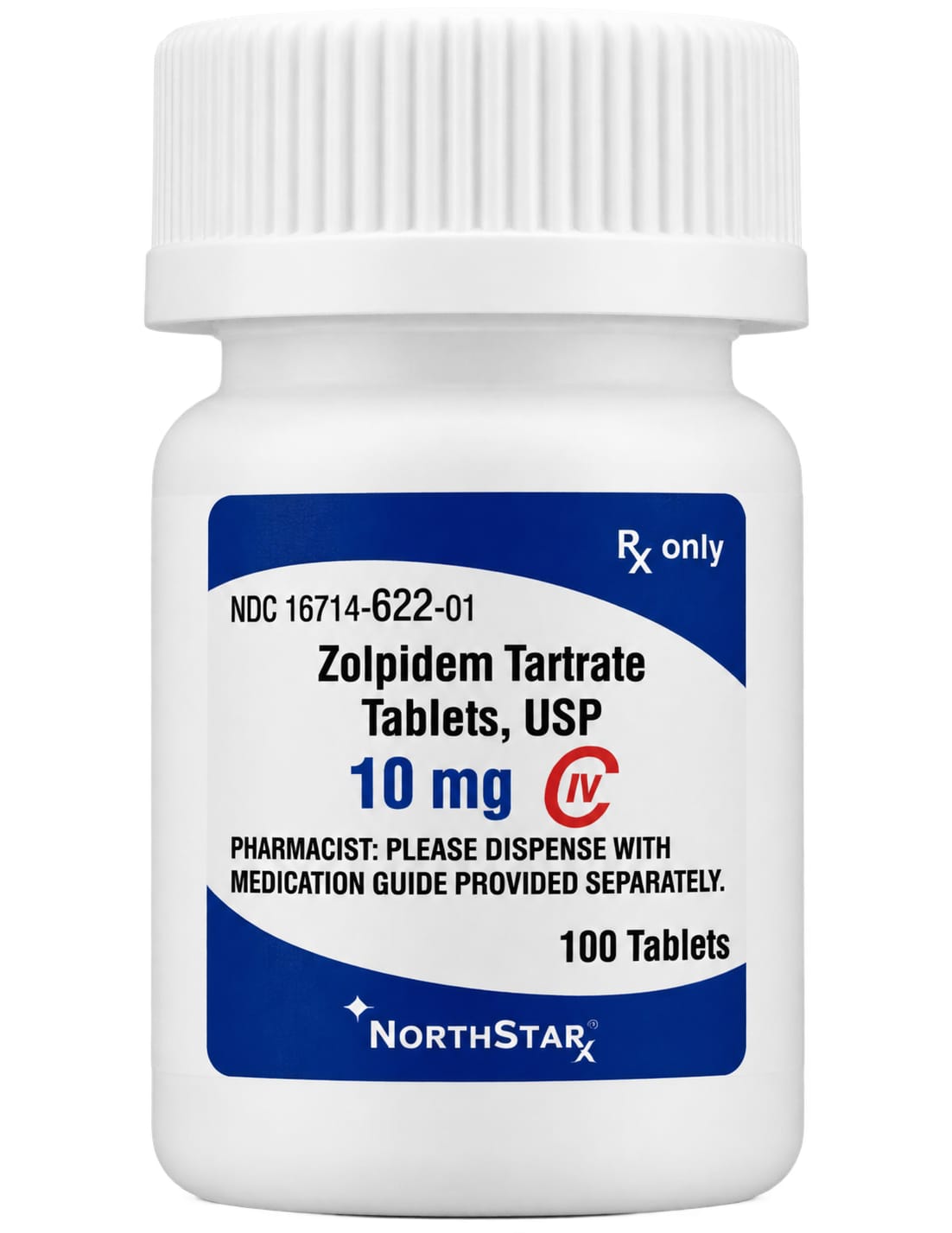
| Forms | Tablet (film-coated, 5mg and 10mg strengths) |
Quick overview
Zolpidem Tablet (zolpidem tartrate) is a prescription hypnotic, or Z-drug, used for the short-term treatment of insomnia in adults. It helps people fall asleep faster and can reduce nighttime awakenings during short-term use. Because it can cause dependence, it is meant to be used only for brief periods, typically a couple of days up to 4 weeks, and only as prescribed.
What is Zolpidem Tablet
Zolpidem is a prescription sleep medicine that belongs to a group of medicines called hypnotics, also known as Z-drugs. It acts on the brain to help you sleep and is used only for short periods of time because it can cause dependence.
Zolpidem Tablet uses
- Difficulty falling asleep
- Waking in the middle of the night
- Waking too early
- Short-term treatment of insomnia in adults
Benefits of Zolpidem Tablet
- Helps you fall asleep faster
- Can help reduce nighttime awakenings and increase total sleep time during short-term use
How Zolpidem Tablet works
Zolpidem works by acting on the brain to help you sleep. It attaches to certain brain receptors and boosts the effect of a natural calming brain chemical called GABA, which lowers brain activity and helps you fall asleep faster.
Zolpidem Tablet dosage
Take this medicine by mouth and swallow the tablet whole with a drink of water. Take it as a single dose just before bedtime; do not take another dose during the same night. Only take it when you are able to stay in bed for a full 7 to 8 hours before you need to be active again. Do not take it with or right after a meal, since food can slow down how quickly it works.
If you forget a dose at bedtime, do not take it later in the night or day, and do not double up to make up for a missed dose. Treatment should be as short as possible, usually lasting from a couple of days up to 4 weeks. Do not stop taking it suddenly; your doctor will guide you on gradually lowering the dose over time.
Elderly patients and those with liver problems are usually given a lower dose. Do not give this medicine to anyone under 18 years old.
| Age group | Dose |
|---|---|
| Under 18 Years | Not recommended unless prescribed by a doctor |
| Adults (18–64 Years) | Usually 5–10 mg once daily at bedtime |
| Older Adults (65+ years) | Usually 5 mg once daily at bedtime |
Available forms and strengths
- Tablet (film-coated, 5mg and 10mg strengths)
Side effects of Zolpidem Tablet
Common
- Poor memory (amnesia) and strange behaviour, more likely in the first hours after taking the tablet
- Sleeping problems that get worse after taking this medicine
- Seeing or hearing things that are not real (hallucinations)
- Diarrhoea
- Feeling sick (nausea) or being sick (vomiting)
- Abdominal pain
- Respiratory infection
- Headache
- Feeling tired or agitated
- Nightmares
- Depression
- Feeling dizzy
- Feeling sleepy or drowsy
- Back pain
Serious
- Severe allergic reaction: itchy lumpy rash, swelling of hands, feet, ankles, face, lips or throat, difficulty swallowing or breathing
- Sleep-driving, sleepwalking, or other complex activities done while not fully awake, with no memory of them afterward
- Falling, especially in the elderly
- Slower breathing (respiratory depression)
- Liver problems, including jaundice, dark urine, pale or bloody stools, severe itching, extreme weakness
- Thinking things that are not true (delusions)
- Becoming dependent on or addicted to zolpidem
- A feeling of being out of touch with reality (psychosis)
- Worsening depression or suicidal thoughts
Warnings and precautions
- Zolpidem can cause complex sleep behaviors such as sleepwalking, sleep-driving, preparing and eating food, or having sex while not fully awake, with no memory of it afterward. These can lead to serious injury or death.
- This medicine can cause dependence, tolerance, and addiction. Stopping it suddenly can cause withdrawal symptoms.
- Combining zolpidem with opioids increases the risk of severe drowsiness, breathing difficulties, coma, and can be life-threatening.
- Do not take zolpidem if you have sleep apnoea, myasthenia gravis, breathing difficulties, severe liver problems, psychosis, or are under 18.
- Severe allergic reactions, including anaphylaxis and swelling of the tongue or throat, have occurred with zolpidem.
- Zolpidem is not recommended during pregnancy.
- If you find out you are pregnant or are planning a baby, talk to your doctor right away, since taking it late in pregnancy can affect the baby's breathing, temperature, feeding, and muscle tone, and may cause withdrawal symptoms in the newborn.
- Do not take zolpidem while breastfeeding or planning to breastfeed, because small amounts can pass into breast milk.
- People with liver problems are usually started on a lower dose. This medicine should not be used in people with severe liver problems.
- Do not drink alcohol while taking zolpidem, as it can increase the effects of the medicine and cause very deep sleep with breathing or waking difficulties.
- Do not drive or use machinery the day after taking zolpidem if you feel sleepy, dizzy or confused. Wait at least 8 hours after taking the medicine before doing activities that need full alertness.
Storage
- Keep this medicine out of the sight and reach of children.
- Do not use after the expiry date stated on the carton; the expiry date refers to the last day of that month.
- Store in a dry place below 30°C in the original packaging.
- Do not throw away any medicines via wastewater or household waste; ask your pharmacist how to dispose of medicines you no longer use.
When to see a doctor
- Stop taking zolpidem and get emergency medical help right away if you have signs of a severe allergic reaction, such as an itchy or lumpy rash, or swelling of your hands, feet, face, lips, or throat with difficulty breathing or swallowing.
- Get medical help immediately if you find out you have done activities like sleep-driving, sleepwalking, or other actions while not fully awake, and do not remember them.
- Contact your doctor as soon as possible if you have thoughts of harming yourself or suicidal thoughts.
- If you take more zolpidem than you should, tell a doctor or go to a hospital casualty department straight away, and take the medicine pack with you.
- Get emergency help right away if you develop breathing problems while taking this medicine.
Alternatives
- Eszopiclone
- Trazodone
- Melatonin
Watch the video
FAQs
What is Zolpidem Tablet used for?
Zolpidem Tablet is used for the short-term treatment of insomnia in adults, including difficulty falling asleep, waking in the middle of the night, or waking too early.
How should Zolpidem Tablet be taken?
Take it by mouth as a single dose just before bedtime, swallowing the tablet whole with water, only when you can stay in bed for 7 to 8 hours. Avoid taking it with or right after a meal, and do not take another dose the same night.
What is the usual dosage of Zolpidem Tablet?
Adults aged 18-64 usually take 5-10 mg once daily at bedtime, while older adults (65+) usually take 5 mg once daily. It is not recommended for anyone under 18 years old.
What are the serious side effects of Zolpidem Tablet?
Serious side effects include severe allergic reactions, sleep-driving or sleepwalking with no memory afterward, falls, slowed breathing, liver problems, dependence or addiction, and worsening depression or suicidal thoughts.
Can I drink alcohol while taking Zolpidem Tablet?
No, alcohol should be avoided while taking zolpidem, as it can increase the medicine's effects and cause very deep sleep with breathing or waking difficulties.
General information, not medical advice
Your prescriber and the leaflet in your pack know your situation. This page does not.
- Follow your prescriber and the leaflet
- Don't start, stop, or change a dose on your own
- Doses and warnings differ by country and product
Sources
Video
Related medicines

Injectafer Injection: Uses, Dosage, Side Effects, Precautions and Alternates
Iron products
Injectafer (ferric carboxymaltose) treats iron deficiency anemia and heart failure-related iron deficiency via IV. Learn uses, dosage, side effects, and

Gliclazide Tablet: Uses, Dosage, Side Effects, Precautions and Alternates
Sulfonylurea (hypoglycemic/antidiabetic agent)
Gliclazide Tablet is a sulfonylurea for type 2 diabetes that boosts insulin release. Learn about dosage, side effects, warnings, and precautions.