
Safety
General information, not medical advice
Your prescriber and the leaflet in your pack know your situation. This page does not.
- Follow your prescriber and the leaflet
- Don't start, stop, or change a dose on your own
- Doses and warnings differ by country and product
Zonegran Capsule: Uses, Dosage, Side Effects, Precautions and Alternates
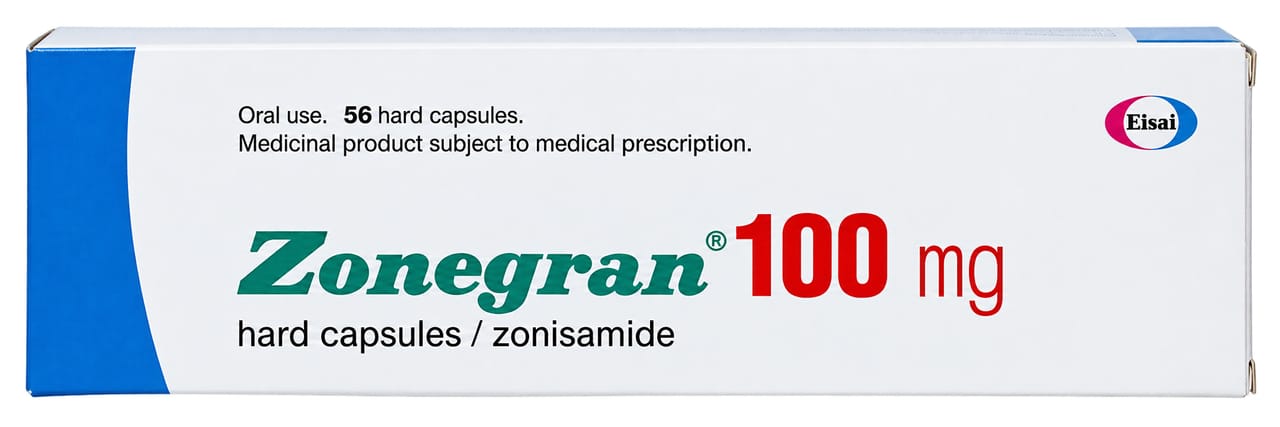
| Generic name | Zonisamide |
|---|---|
| Drug class | Carbonic anhydrase inhibitor anticonvulsant (antiepileptic/anticonvulsant) |
| Forms | Capsules (25 mg, 50 mg, 100 mg), Orodispersible tablets (25, 50, 100, 300 mg) |
Quick overview
Zonegran Capsule contains the active ingredient zonisamide, a carbonic anhydrase inhibitor anticonvulsant. It is a prescription anti-seizure medicine, usually used together with other seizure medicines, to treat certain types of epilepsy in adults. It works by affecting nerve cell activity in the brain to help reduce seizures. It is available as capsules and comes with specific dosing, storage, and safety guidance.
What is Zonegran Capsule
Zonegran is a prescription anti-seizure medicine. It contains the active ingredient zonisamide and is used, usually together with other seizure medicines, to treat certain types of epilepsy.
Zonegran Capsule uses
- Treats certain types of partial seizures in adults with epilepsy
- Can be used on its own in newly diagnosed adults or as an add-on with other antiepileptic medicines
- Used with other antiepileptic medicines to treat partial seizures that may spread to the whole brain
Benefits of Zonegran Capsule
- Helps control partial-onset seizures
- May reduce seizure frequency
- May help manage recurring seizures
- May improve daily functioning when seizures are controlled
- Supports long-term epilepsy management
How Zonegran Capsule works
Epilepsy is caused by abnormal electrical signals in the brain. Zonisamide is thought to work by blocking sodium and calcium channels on nerve cells, which stops nerve cells from firing together in an abnormal, synchronized way and helps reduce the chance of a seizure. It may also affect a brain chemical called GABA, which can help calm electrical activity in the brain.
Zonegran Capsule dosage
Zonegran can be taken with or without food. Swallow the capsule whole; do not crush, chew, break, or open it. Take it at the same time each day to help it work best and to help you remember your dose. Continue taking it every day for as long as your doctor tells you, even if you feel better. Do not stop taking it or lower the dose without checking with your doctor first, because stopping suddenly can cause seizures to return or worsen. If you miss a dose, skip the missed dose if it's almost time for your next one; do not take a double dose. This medicine is not recommended for anyone under 18 years of age. Your doctor may start you on a lower dose if you have kidney problems and increase it more slowly.
| Age group | Dose |
|---|---|
| Under 18 years | Not recommended |
| 18–64 years | 100 mg, once/day |
| 65+ years | 100 mg, once/day |
Available forms and strengths
- Capsules (25 mg, 50 mg, 100 mg)
- Orodispersible tablets (25, 50, 100, 300 mg)
Side effects of Zonegran Capsule
Common
- Agitation or irritability
- Confusion
- Depression
- Poor muscle coordination (ataxia)
- Dizziness
- Poor memory or trouble concentrating
- Sleepiness/drowsiness
- Double vision
- Loss of appetite
- Decreased blood levels of bicarbonate
- Headache
- Nausea
- Fatigue/tiredness
- Stomach pain
- Trouble sleeping
Serious
- Difficulty breathing, swollen face, lips or tongue, or severe skin rash (signs of a severe allergic reaction)
- Signs of overheating: high body temperature with little or no sweating, rapid heartbeat and breathing, muscle cramps, confusion
- Thoughts of harming or killing yourself
- Severe skin reaction with fever, sore throat, burning eyes, skin pain, or red/purple skin rash with blistering and peeling
- Sudden eye pain, redness, or vision changes (possible sign of serious eye problems/glaucoma)
- Signs of a kidney stone: sudden back or stomach pain, pain when urinating, blood in urine
- Signs of metabolic acidosis: fast breathing, fatigue, loss of appetite, irregular heartbeat, confusion
- Signs of a blood disorder: fever, chills, body aches, flu symptoms, sores in mouth or throat, easy bruising
- Signs of high blood ammonia levels: confusion, vomiting, tiredness, reduced alertness
- Increased or worsening seizures
Warnings and precautions
- Zonegran can cause a severe, potentially fatal skin reaction. Tell your doctor right away if you get a rash, especially with blistering or peeling skin.
- Zonegran can reduce sweating and raise body temperature, which may lead to heat stroke, especially in children or in hot weather.
- Zonegran can cause serious eye problems, including sudden vision loss, which can become permanent if not treated quickly.
- A small number of people taking antiepileptic medicines like Zonegran have had thoughts of suicide or self-harm, especially when starting treatment or changing the dose.
- Zonegran can raise the acid level in your blood (metabolic acidosis), which if untreated may lead to weak bones, kidney stones, and slowed growth in children.
- Zonegran may cause problems with concentration, memory, thinking, speech, or language.
- Zonegran can lower red and white blood cell counts, which can increase infection risk and cause unusual bruising or tiredness.
- Stopping Zonegran suddenly can cause seizures to come back or become difficult to control; your doctor should reduce your dose gradually.
- Do not take Zonegran if you are allergic to sulfa medicines, as this can cause a severe allergic reaction.
- Zonegran is not generally recommended during pregnancy because it may harm an unborn baby. Women who could become pregnant should use effective birth control while taking it and for one month after stopping. Tell your doctor right away if you become pregnant.
- It's recommended not to breastfeed while taking Zonegran or for one month after stopping, since the medicine can pass into breast milk and may affect the baby.
- People with kidney disease or kidney stones should be monitored carefully, as the dose may need to start lower and increase more slowly. Zonegran should not be used in people with significant kidney failure.
- Because zonisamide is broken down by the liver, caution is needed in people with liver disease, and your doctor may need to adjust your dose.
- It's best to avoid alcohol while taking Zonegran, as it can make side effects like drowsiness and dizziness worse and may increase seizure risk.
- Be careful driving or using machinery until you know how Zonegran affects you, since it can cause drowsiness and slow your thinking and reactions.
Storage
- Keep your medicine in the original container in a cool, dry place away from light, at a temperature below 25°C
- Do not store it in the bathroom, near a sink, in the car, or on window sills
- Keep it where young children cannot reach it, such as a locked cupboard at least one and a half metres above the ground
- If your doctor tells you to stop taking this medicine or it is out of date, take it to a pharmacy for safe disposal
- Do not use this medicine after the expiry date
When to see a doctor
- Get emergency help for signs of a severe allergic reaction, such as difficulty breathing, swelling of the face, lips, or tongue, or a severe skin rash.
- Seek care immediately if you have signs of overheating, such as high body temperature with little or no sweating, rapid heartbeat and breathing, muscle cramps, and confusion.
- Call for help right away if you have thoughts of harming or killing yourself.
- Contact your doctor immediately if you have pain or weakness in your muscles, as this could signal a serious problem that can affect your kidneys.
- Seek medical care if you have sudden back or stomach pain, pain when urinating, or blood in your urine, which may indicate kidney stones.
- Get medical attention right away for any new eye pain, redness, or sudden vision changes.
- Seek help immediately if you think you've taken too much Zonegran, even if you feel fine, by contacting your doctor, going to the emergency department, or calling your local poison control center.
- Contact your doctor as soon as possible if you notice an unexplained skin rash, since it could turn into a more severe skin reaction.
- Get medical advice promptly if you feel unusually tired or feverish, have a sore throat, swollen glands, or bruise more easily, as this could point to a blood disorder.
Alternatives
- Oxcarbazepine
- Topiramate
- Levetiracetam
Watch the video
FAQs
What is Zonegran Capsule used for?
Zonegran is a prescription anti-seizure medicine containing zonisamide, used usually together with other seizure medicines to treat certain types of partial seizures in adults with epilepsy, including seizures that may spread to the whole brain.
How should I take Zonegran Capsule?
Zonegran can be taken with or without food. Swallow the capsule whole without crushing, chewing, breaking, or opening it, and take it at the same time each day. Continue taking it as long as your doctor tells you, and don't stop or change the dose without checking with your doctor, as stopping suddenly can cause seizures to return or worsen.
What is the dosage of Zonegran Capsule for adults?
For adults aged 18-64 and those 65 and older, the dose is 100 mg once a day. It is not recommended for anyone under 18 years of age. Your doctor may start you on a lower dose and increase it more slowly if you have kidney problems.
What are the common side effects of Zonegran Capsule?
Common side effects include agitation or irritability, confusion, depression, poor muscle coordination, dizziness, poor memory or trouble concentrating, sleepiness, double vision, loss of appetite, headache, nausea, fatigue, stomach pain, and trouble sleeping.
What precautions should I take with Zonegran Capsule?
Zonegran can cause severe skin reactions, reduced sweating with raised body temperature, serious eye problems, and may raise blood acid levels. It is not generally recommended during pregnancy, should not be used with sulfa allergies, and it's best to avoid alcohol and be careful driving until you know how it affects you.
General information, not medical advice
Your prescriber and the leaflet in your pack know your situation. This page does not.
- Follow your prescriber and the leaflet
- Don't start, stop, or change a dose on your own
- Doses and warnings differ by country and product
Sources
Video
Related medicines

Injectafer Injection: Uses, Dosage, Side Effects, Precautions and Alternates
Iron products
Injectafer (ferric carboxymaltose) treats iron deficiency anemia and heart failure-related iron deficiency via IV. Learn uses, dosage, side effects, and

Gliclazide Tablet: Uses, Dosage, Side Effects, Precautions and Alternates
Sulfonylurea (hypoglycemic/antidiabetic agent)
Gliclazide Tablet is a sulfonylurea for type 2 diabetes that boosts insulin release. Learn about dosage, side effects, warnings, and precautions.