
Safety
General information, not medical advice
Your prescriber and the leaflet in your pack know your situation. This page does not.
- Follow your prescriber and the leaflet
- Don't start, stop, or change a dose on your own
- Doses and warnings differ by country and product
Zyloric Tablet: Uses, Dosage, Side Effects, Precautions and Alternates
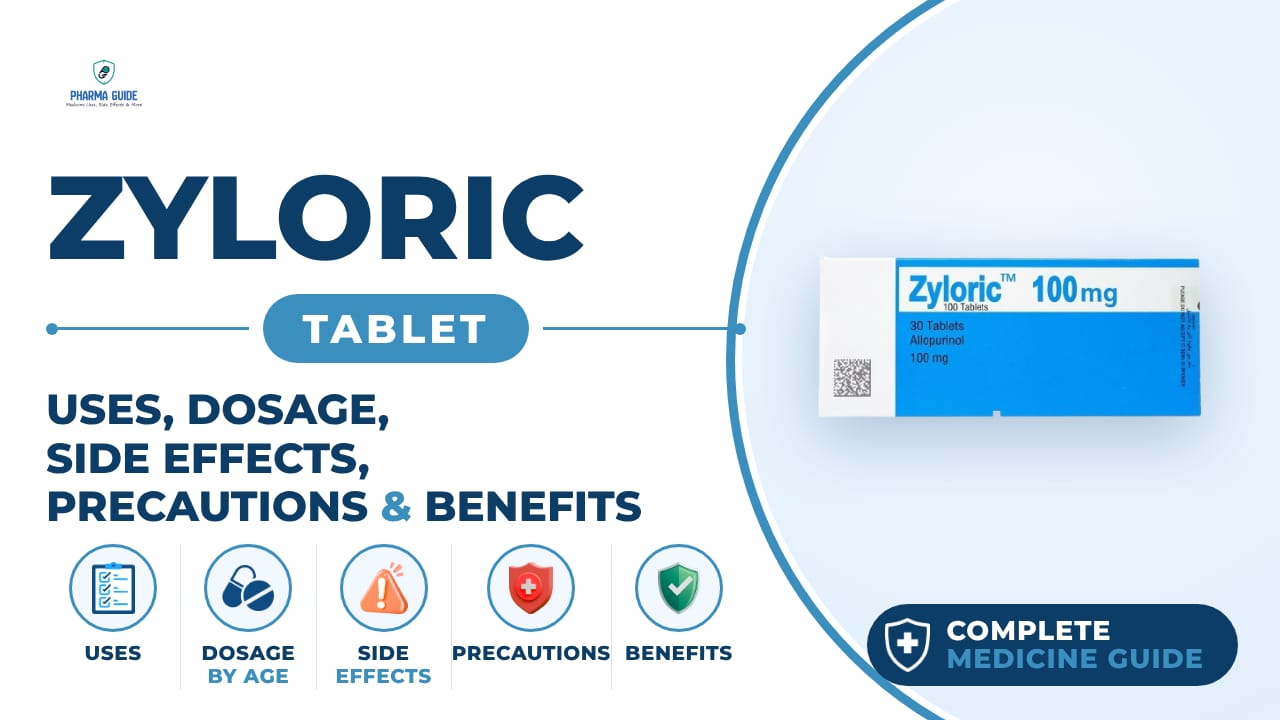
| Generic name | Allopurinol |
|---|---|
| Drug class | Xanthine oxidase inhibitor / Enzyme inhibitor |
| Forms | 100 mg tablet, 300 mg tablet |
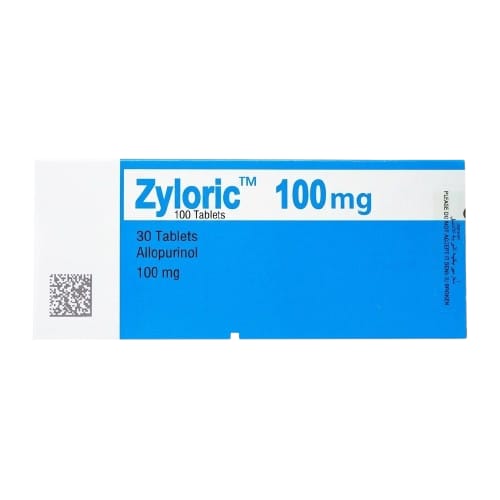
Quick overview
Zyloric Tablet contains allopurinol, an enzyme inhibitor known as a xanthine oxidase inhibitor. It is used to treat gout and conditions where the body makes too much uric acid, helping to prevent gout attacks, joint damage, and uric acid-related kidney and bladder stones. It works by blocking an enzyme the body uses to make uric acid. It is usually taken once or twice a day after a meal, exactly as prescribed by a doctor.
What is Zyloric Tablet
Zyloric Tablet contains allopurinol, a medicine that belongs to a group called enzyme inhibitors, which control the speed of certain chemical changes in the body. It is used to treat gout and conditions where the body makes too much uric acid.
Zyloric Tablet uses
- Gout and high uric acid levels
- Preventing gout attacks and joint damage
- Kidney and bladder stones linked with high uric acid
- Preventing uric acid build-up during chemotherapy
- Certain types of kidney disease
- Some enzyme disorders that cause too much uric acid to build up
Benefits of Zyloric Tablet
- Lowers uric acid to help prevent gout attacks and joint damage
- Helps prevent kidney and bladder stones linked with high uric acid
- Helps prevent uric acid build-up during cancer treatment
How Zyloric Tablet works
Allopurinol blocks an enzyme called xanthine oxidase, which the body normally uses to make uric acid. By blocking this enzyme, the medicine lowers the amount of uric acid in the blood and helps stop uric acid crystals from forming in joints and tissues.
Zyloric Tablet dosage
Follow your doctor's instructions exactly when taking this medicine. It is usually taken once or twice a day after a meal. Swallow the tablet whole with a glass of water; do not break, crush, or chew it. Take it at the same time each day for consistency. Do not stop taking it suddenly without your doctor's advice. It is usually not started during a sudden gout attack. Drink plenty of water each day unless your doctor tells you otherwise.
Children usually should not take this medicine unless a doctor prescribes it. Older adults or people with reduced liver or kidney function may need a lower dose or longer gaps between doses, as decided by the doctor.
| Age group | Dose |
|---|---|
| Under 18 years | Not fixed |
| 18–60 years | 100–300 mg, once/day |
| 60+ years | 100–300 mg, once/day |
Available forms and strengths
- 100 mg tablet
- 300 mg tablet
Side effects of Zyloric Tablet
Common
- Nausea and vomiting
- Diarrhoea
- Skin rash
- Drowsiness
- Stomach pain
- Dizziness
- Loss of appetite
- Change in taste
- Blurred vision
Serious
- Severe allergic reactions (flaking skin, boils, sore lips and mouth, wheeziness, chest tightness, collapse)
- Serious skin reactions with ulcers of the mouth, throat, nose, genitals, red and swollen eyes, widespread blistering and peeling of the skin
- Liver problems such as liver inflammation, or yellow colored eyes or skin
- Fever and chills, headache, aching muscles (flu-like symptoms)
- Blood disorders causing easy bruising, sore throat, or signs of infection
- Bleeding in the lips, eyes, mouth, nose, or genitals
Warnings and precautions
- Do not take this medicine if you have ever had an allergic reaction (rash, itching, shortness of breath) to allopurinol or any of its ingredients.
- Serious skin rashes can occur, sometimes starting with mouth, throat, nose, or genital ulcers and red, swollen eyes, often after flu-like symptoms such as fever and body aches. The rash can progress to widespread blistering and peeling of the skin. This risk may be higher in people of Han Chinese, Thai, or Korean background, especially with chronic kidney disease.
- If you have cancer or Lesch-Nyhan syndrome, uric acid in your urine may increase, so you need to drink enough fluids to dilute your urine.
- This medicine contains lactose. If you have been told you cannot tolerate some sugars, talk to your doctor before taking it.
- Do not stop taking this medicine unless your doctor tells you to.
- This medicine is not recommended if you have high uric acid without any symptoms of gout or kidney problems.
- If you are pregnant, planning to become pregnant, or think you might be pregnant, talk to your doctor before taking this medicine. It is not recommended in pregnancy unless clearly needed.
- Allopurinol passes into breast milk, so it is not recommended while breastfeeding. Talk to your doctor first.
- Tell your doctor if you have or have had kidney disease, as the medicine should be used carefully and may need dose changes or monitoring.
- Tell your doctor if you have or have had liver disease, as this medicine may increase the risk of liver problems and may need monitoring.
- How this medicine interacts with alcohol is not clearly known, so ask your doctor about safe alcohol use while taking it.
- This medicine may cause drowsiness, dizziness, or loss of coordination. Avoid driving or operating machinery until you know how it affects you.
Storage
- Store below 30 degrees Celsius.
- Keep the tablets in their original pack.
- Protect the medicine from direct sunlight and moisture.
- Keep out of the sight and reach of children.
- Do not use after the expiry date.
- Return any unwanted tablets to your pharmacist; do not throw medicines away via waste water or household waste.
When to see a doctor
- Stop taking the medicine and contact your doctor right away if you develop a skin rash or flu-like symptoms with skin changes, as this can be the start of a serious skin reaction.
- Get medical help immediately if you notice flaking skin, boils, sore lips and mouth, sudden wheeziness, chest tightness, or collapse.
- Seek immediate medical attention if you take too many tablets or suspect an overdose; signs can include nausea, vomiting, diarrhoea, and dizziness.
- Tell your doctor as soon as possible if you notice bruising more easily than usual, a sore throat, or other signs of infection, as this medicine can rarely affect the blood, especially in people with liver or kidney problems.
Alternatives
- Allopurinol
- Febuxostat
- Colchicine
Watch the video
FAQs
What is Zyloric Tablet used for?
Zyloric Tablet is used to treat gout and conditions where the body makes too much uric acid. It helps prevent gout attacks, joint damage, kidney and bladder stones linked with high uric acid, and uric acid build-up during chemotherapy.
How does Zyloric Tablet work?
Allopurinol blocks an enzyme called xanthine oxidase, which the body normally uses to make uric acid. This lowers uric acid levels in the blood and helps stop uric acid crystals from forming in joints and tissues.
How should I take Zyloric Tablet?
It is usually taken once or twice a day after a meal. Swallow the tablet whole with a glass of water without breaking, crushing, or chewing it, and take it at the same time each day as prescribed by your doctor.
What are the common side effects of Zyloric Tablet?
Common side effects include nausea, vomiting, diarrhoea, skin rash, drowsiness, stomach pain, dizziness, loss of appetite, change in taste, and blurred vision.
Can Zyloric Tablet cause serious skin reactions?
Yes, it can rarely cause serious skin reactions with ulcers of the mouth, throat, nose, or genitals, red and swollen eyes, and widespread blistering and peeling of the skin, often after flu-like symptoms. This risk may be higher in people of Han Chinese, Thai, or Korean background, especially with chronic kidney disease.
General information, not medical advice
Your prescriber and the leaflet in your pack know your situation. This page does not.
- Follow your prescriber and the leaflet
- Don't start, stop, or change a dose on your own
- Doses and warnings differ by country and product
Sources
- https://www.truemeds.in/medicine/zyloric-100-mg-tablet-10-tm-tacr1-045653
- https://www.marham.pk/medicines/zyloric-tablet
- https://www.practo.com/medicine-info/zyloric-100-mg-tablet-22333
- https://go.drugbank.com/drugs/DB00437
- https://medlineplus.gov/druginfo/meds/a682673.html
- https://www.nhs.uk/medicines/allopurinol/
- https://www.accessdata.fda.gov/drugsatfda_docs/label/2018/016084s044lbl.pdf
Video
Related medicines

Injectafer Injection: Uses, Dosage, Side Effects, Precautions and Alternates
Iron products
Injectafer (ferric carboxymaltose) treats iron deficiency anemia and heart failure-related iron deficiency via IV. Learn uses, dosage, side effects, and

Gliclazide Tablet: Uses, Dosage, Side Effects, Precautions and Alternates
Sulfonylurea (hypoglycemic/antidiabetic agent)
Gliclazide Tablet is a sulfonylurea for type 2 diabetes that boosts insulin release. Learn about dosage, side effects, warnings, and precautions.