
Safety
General information, not medical advice
Your prescriber and the leaflet in your pack know your situation. This page does not.
- Follow your prescriber and the leaflet
- Don't start, stop, or change a dose on your own
- Doses and warnings differ by country and product
Zymaxid Eye Drops: Uses, Dosage, Side Effects, Precautions and Alternates
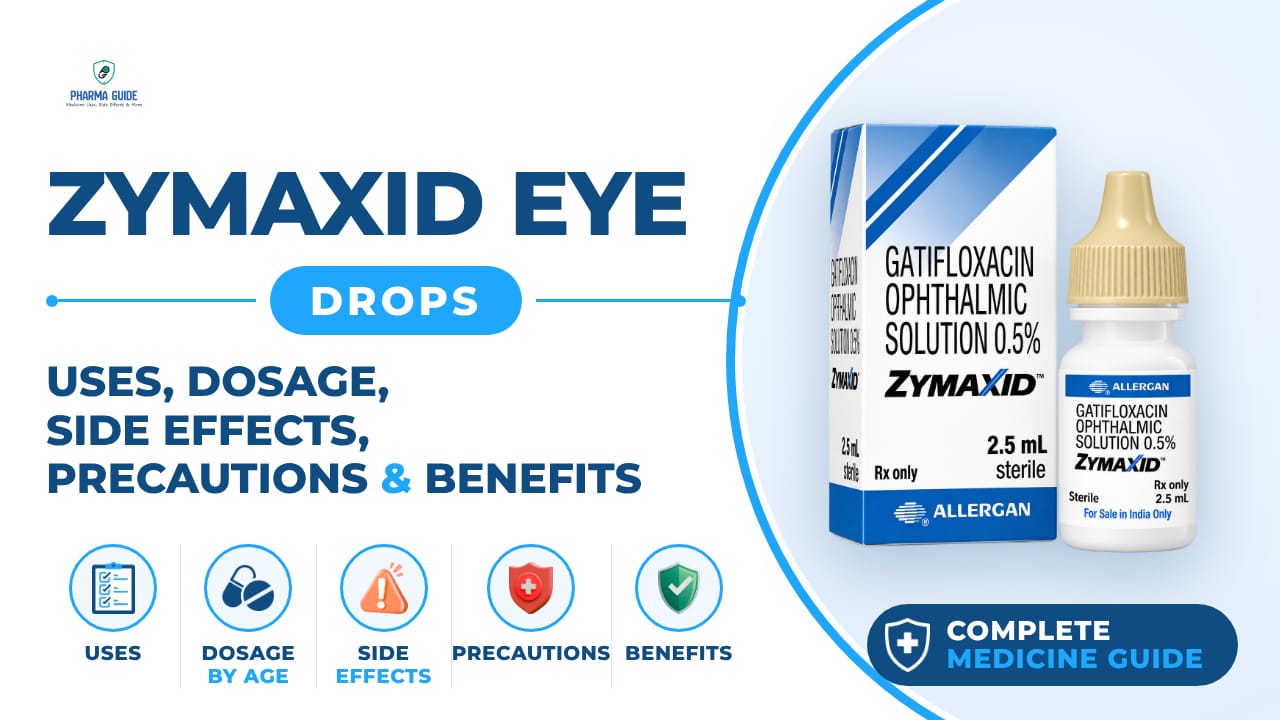
| Generic name | gatifloxacin ophthalmic |
|---|---|
| Drug class | Ophthalmic anti-infectives (fluoroquinolone antibiotic) |
| Forms | Ophthalmic solution (eye drops) |
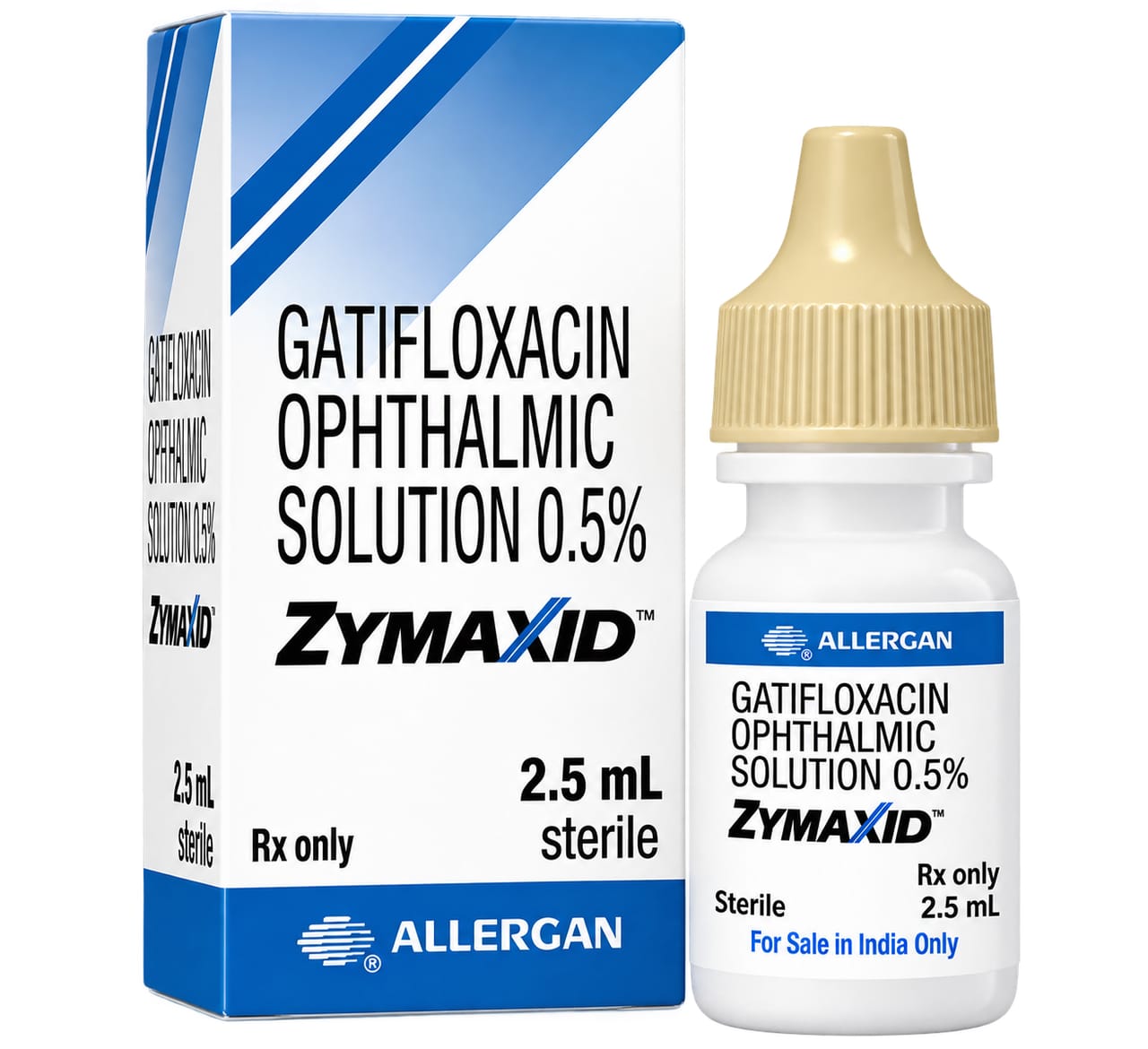
Quick overview
Zymaxid Eye Drops (gatifloxacin ophthalmic) is a fluoroquinolone antibiotic eye medication used to treat eye infections caused by bacteria, including bacterial conjunctivitis (pink eye). It works by stopping bacteria from growing and multiplying, which helps clear the infection. It does not work against infections caused by viruses and is not recommended for children younger than 1 year of age.
What is Zymaxid Eye Drops
Zymaxid is a fluoroquinolone antibiotic eye drop that fights bacteria. It is used to treat eye infections such as bacterial conjunctivitis (pink eye) caused by bacteria, but it does not work against infections caused by viruses.
Zymaxid Eye Drops uses
- Treats eye infections caused by bacteria, including bacterial conjunctivitis (pink eye)
Benefits of Zymaxid Eye Drops
- Helps treat bacterial conjunctivitis (pink eye) caused by susceptible bacteria
- Helps reduce redness, discharge, irritation, and eye discomfort caused by infection
- Provides direct antibiotic action in the eye
- Helps clear the infection and support faster symptom relief when used as prescribed
How Zymaxid Eye Drops works
Zymaxid kills certain bacteria by stopping enzymes and proteins the bacteria need to copy and repair their DNA, which stops them from multiplying and eventually kills them.
Zymaxid Eye Drops dosage
Use exactly as prescribed by your doctor and follow all directions on the label; do not use more or less than recommended or for longer than recommended. Wash your hands before using the eye drops. Tilt your head back slightly, pull down your lower eyelid to make a small pocket, hold the dropper above the eye with the tip down, look up and away, and let a drop fall into the pocket.
After applying, close your eyes for a couple of minutes with your head tipped down, without blinking or squinting, and gently press a finger to the inner corner of the eye to keep the drop from draining away. Do not let the dropper tip touch your eye, fingers, or any other surface, to avoid contaminating the medicine.
Avoid wearing contact lenses while you still have active symptoms of the eye infection. Do not use other eye drops or eye medications during treatment unless your doctor tells you to. If you are using another eye medicine at the same time, wait a few minutes between the two so each has time to be absorbed.
Finish the entire course of treatment even if your symptoms improve, to help prevent the infection from coming back or becoming resistant. Do not use the drops if the liquid has changed color or has particles in it; contact your pharmacist for new medicine.
If you miss a dose, use it as soon as you remember, but skip it if it is almost time for your next dose; do not use extra medicine to make up for a missed dose. Not recommended for children younger than 1 year of age.
| Age group | Dose |
|---|---|
| Under 1 year | Safety and effectiveness not established |
| 1–11 years | Day 1–2: 1 drop every 2 hours while awake, up to 8 times daily; Day 3–7: 1 drop 2–4 times daily |
| 12–17 years | Day 1–2: 1 drop every 2 hours while awake, up to 8 times daily; Day 3–7: 1 drop 2–4 times daily |
| 18–64 years | Day 1–2: 1 drop every 2 hours while awake, up to 8 times daily; Day 3–7: 1 drop 2–4 times daily |
| 65+ years | Same adult dosage |
Available forms and strengths
- Ophthalmic solution (eye drops)
Side effects of Zymaxid Eye Drops
Common
- Mild itching, burning, redness, or irritation of the eye
- Watery eyes
- Puffy eyelids
- Eye pain
- Worsening of the eye infection
- Changes in how things taste
- Eye or eyelid swelling
- Dry eye
- Eye discharge
- Blurry vision
- Headache
Serious
- Signs of an allergic reaction: hives, difficulty breathing, swelling of the face, lips, tongue, or throat, slow heart rate, weak pulse, or fainting
- Severe swelling, burning, redness, or discomfort in the eye
- Eye pain or vision changes
- Signs of a new eye infection such as drainage, crusting, or oozing
- Any new skin rash, no matter how mild
- Severe skin reactions such as Stevens-Johnson syndrome, with painful red or purple skin that looks burned and peels, or blisters on the skin, mouth, nose, or genitals
- Signs of infection with a different type of germ (such as fungus) if the medicine is used for a long time
Warnings and precautions
- Do not let the dropper tip touch any surface, including the eyes or hands. A contaminated dropper can cause an eye infection that may lead to vision loss or serious eye damage.
- Avoid wearing contact lenses while you still have active symptoms of the eye infection being treated.
- Do not use other eye drops or medications during treatment unless your doctor directs you to.
- Do not use this medicine for longer than prescribed, since prolonged use can lead to new infections that are harder to treat.
- This medicine should not be used by anyone allergic to gatifloxacin or similar antibiotics such as ciprofloxacin, levofloxacin, lomefloxacin, moxifloxacin, or norfloxacin.
- This medicine is not approved for use in children younger than 1 year old.
- It isn't known whether Zymaxid could harm an unborn baby, so tell your doctor if you are pregnant or planning to become pregnant.
- It isn't known whether this medicine passes into breast milk or could harm a nursing baby, so tell your doctor if you are breastfeeding.
- There are no known interactions between this medicine and alcohol, but heavy drinking can slow your immune response and make it harder for your body to fight infection.
- This medicine may cause short-term blurred vision, burning, or discomfort after use, so avoid driving or operating machinery until your vision is clear.
Storage
- Store at 15–25°C (59–77°F) at controlled room temperature
- Keep the bottle tightly closed when not in use
- Protect from excessive heat and direct sunlight
- Do not freeze, and keep the dropper tip clean to prevent contamination
- Keep out of reach and sight of children and pets
When to see a doctor
- Get emergency medical help if you have signs of an allergic reaction such as hives, difficulty breathing, a slow heart rate, weak pulse, fainting, or swelling of the face, lips, tongue, or throat.
- Call your doctor right away if you have severe swelling, burning, redness, or discomfort in the eye, eye pain or vision changes, or signs of a new eye infection like drainage, crusting, or oozing.
- Call your doctor if you notice eye swelling, severe discomfort, crusting or drainage, or any new or worsening eye problems.
- Stop using the medicine and call your healthcare provider right away if you get a rash, since this can be a sign of a serious skin reaction.
- Get emergency help if you notice painful red or purple skin that looks burned and peels off, blisters on the skin, mouth, nose, or genitals, or red, painful, watery eyes.
- Call your healthcare provider if your eye infection does not improve or gets worse, as this may mean you have developed a new infection.
- If someone accidentally swallows the medication, seek emergency medical attention or contact your local poison control center.
Alternatives
- Besivance (Besifloxacin) Eye Drops
- Levofloxacin Eye Drops
- Ocuflox (Ofloxacin) Eye Drops
- Tobramycin Eye Drops
Watch the video
FAQs
What is Zymaxid Eye Drops used for?
Zymaxid is a fluoroquinolone antibiotic eye drop used to treat eye infections caused by bacteria, including bacterial conjunctivitis (pink eye). It does not work against infections caused by viruses.
How does Zymaxid Eye Drops work?
Zymaxid kills certain bacteria by stopping enzymes and proteins the bacteria need to copy and repair their DNA, which stops them from multiplying and eventually kills them.
Can children use Zymaxid Eye Drops?
Zymaxid is not recommended for children younger than 1 year of age. For children 1 to 11 years old, the dosage is 1 drop every 2 hours while awake (up to 8 times daily) on days 1-2, then 1 drop 2-4 times daily on days 3-7.
Can I wear contact lenses while using Zymaxid Eye Drops?
You should avoid wearing contact lenses while you still have active symptoms of the eye infection being treated.
What should I do if I miss a dose of Zymaxid Eye Drops?
If you miss a dose, use it as soon as you remember, but skip it if it is almost time for your next dose. Do not use extra medicine to make up for a missed dose.
General information, not medical advice
Your prescriber and the leaflet in your pack know your situation. This page does not.
- Follow your prescriber and the leaflet
- Don't start, stop, or change a dose on your own
- Doses and warnings differ by country and product
Sources
Video
Related medicines
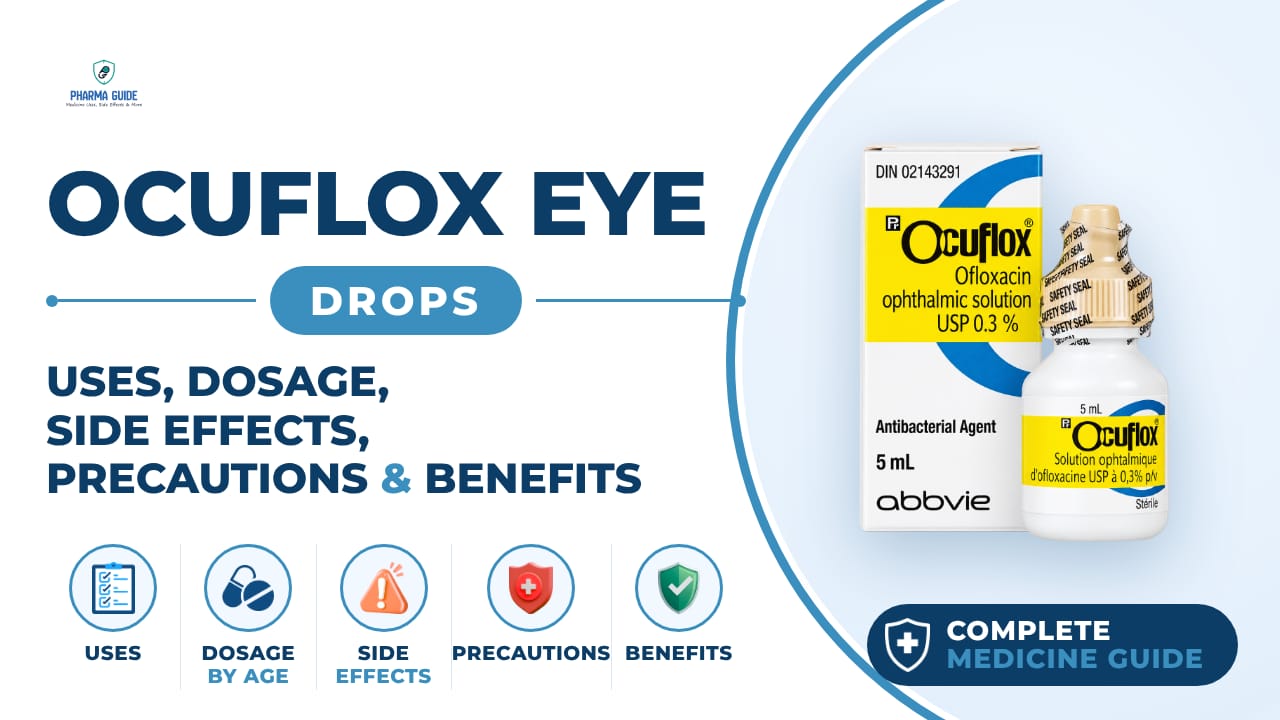
Ocuflox Eye Drops: Uses, Dosage, Side Effects, Precautions and Alternates
Ophthalmic anti-infectives (fluoroquinolone antibiotic)
Ocuflox Eye Drops contain ofloxacin, an antibiotic that treats bacterial conjunctivitis and corneal ulcers. Learn uses, dosage, side effects, and precautions.

Injectafer Injection: Uses, Dosage, Side Effects, Precautions and Alternates
Iron products
Injectafer (ferric carboxymaltose) treats iron deficiency anemia and heart failure-related iron deficiency via IV. Learn uses, dosage, side effects, and