
Safety
General information, not medical advice
Your prescriber and the leaflet in your pack know your situation. This page does not.
- Follow your prescriber and the leaflet
- Don't start, stop, or change a dose on your own
- Doses and warnings differ by country and product
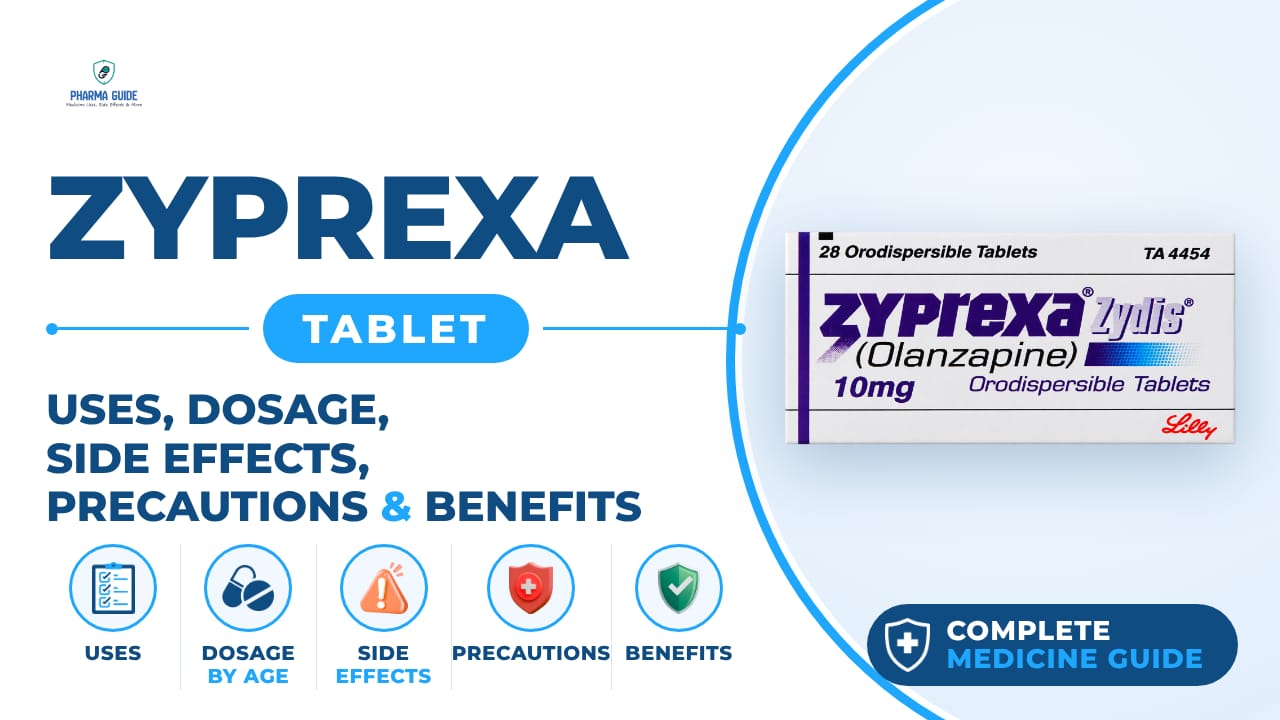
Zyprexa Tablet: Uses, Dosage, Side Effects, Precautions and Alternates
| Generic name | olanzapine |
|---|---|
| Drug class | Atypical antipsychotic (thienobenzodiazepine class); Antipsychotics, Second Generation, Antimanic Agents |
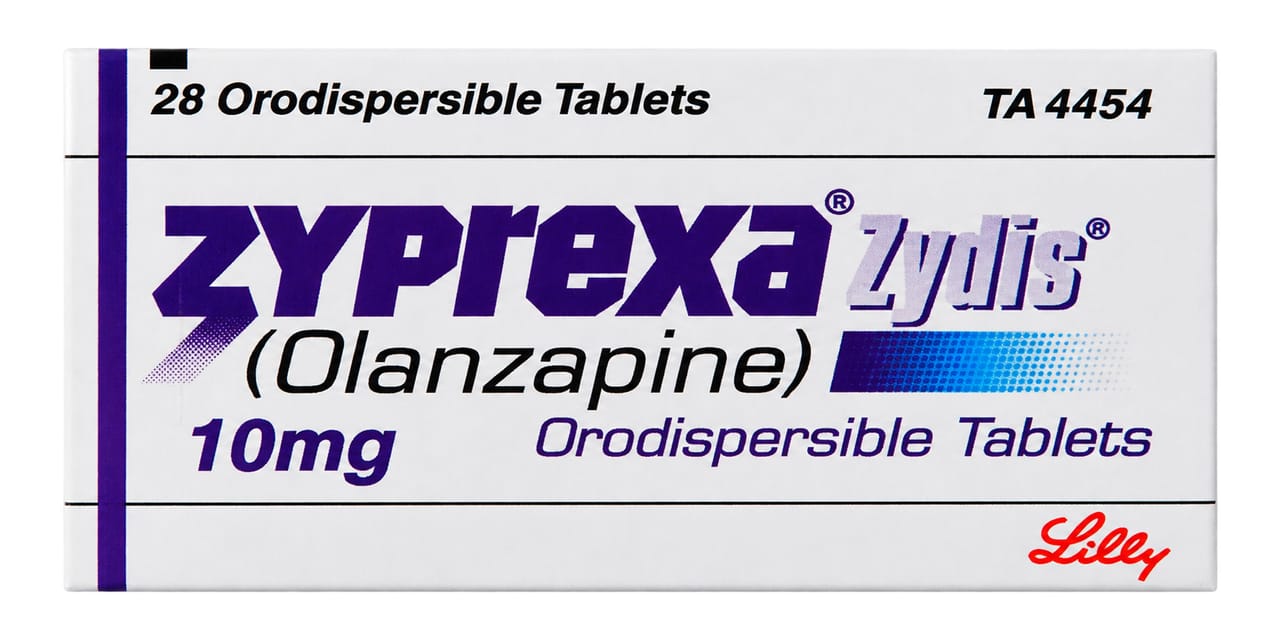
| Forms | Tablet, Orally disintegrating tablet (Zyprexa Zydis), Intramuscular injection (Zyprexa IntraMuscular), Long-acting intramuscular injection (Zyprexa Relprevv) |
Quick overview
Zyprexa Tablet contains the active ingredient olanzapine, an atypical antipsychotic from the thienobenzodiazepine class. It is a prescription medicine used to treat schizophrenia and bipolar I disorder, helping to correct chemical imbalances in the brain. Zyprexa is available in tablet, orally disintegrating tablet, and injectable forms, and is taken as prescribed by a doctor based on age and individual needs.
What is Zyprexa Tablet
Zyprexa is a prescription medicine used to treat mental health conditions such as schizophrenia and bipolar disorder. It contains the active ingredient olanzapine, which belongs to a group of medicines called antipsychotics and helps correct chemical imbalances in the brain.
Zyprexa Tablet uses
- Treatment of schizophrenia in people age 13 or older
- Acute treatment of manic or mixed episodes associated with bipolar I disorder and maintenance treatment of bipolar I disorder in people age 13 or older
- Manic or mixed episodes of bipolar I disorder, used together with lithium or valproate, in adults
- Depressive episodes associated with bipolar I disorder, used together with fluoxetine, in people age 10 or older
- Treatment resistant depression, used together with fluoxetine, in adults
- Acute agitation associated with schizophrenia and bipolar I mania (intramuscular injection form), in adults
Benefits of Zyprexa Tablet
- May reduce hallucinations, delusions, and disorganized thinking in schizophrenia
- May reduce manic symptoms such as elevated mood, racing thoughts, and impulsive behavior in bipolar I disorder
- Can help prevent return of manic or depressive episodes when used long-term in bipolar I disorder
- Available in a form that dissolves in the mouth for people who have difficulty swallowing tablets
How Zyprexa Tablet works
Olanzapine is thought to work by blocking certain brain chemical receptors, mainly dopamine and serotonin (5HT2), which may help calm psychotic symptoms and stabilize mood, though the exact mechanism is not fully understood.
Zyprexa Tablet dosage
Zyprexa is usually taken once a day, on a once-a-day schedule, and can be taken with or without food. Try to take your tablet at the same time each day. For the orally disintegrating tablet (Zyprexa Zydis), make sure your hands are dry, peel back the foil (do not push the tablet through the foil), place the tablet in your mouth as soon as you open the blister, and let it dissolve in your saliva; it can then be swallowed with or without liquid. Do not stop taking this medicine suddenly; your doctor can tell you how to safely stop taking it if needed. If you miss a dose, take it as soon as you remember; if it is almost time for your next dose, skip the missed dose and continue your regular schedule; do not take two doses at the same time. Lower starting doses are generally used in adolescents, in elderly patients, and in people who may be more sensitive to the medicine's effects.
| Age group | Dose |
|---|---|
| Under 13 Years | Not recommended unless prescribed by a doctor |
| 13–17 Years | Usually 2.5–5 mg once daily; adjusted by doctor |
| Adults (18–64 Years) | Usually 5–10 mg once daily; may increase based on condition |
| Older Adults (65+ years) | Usually lower starting dose (2.5–5 mg/day); adjusted carefully |
Available forms and strengths
- Tablet
- Orally disintegrating tablet (Zyprexa Zydis)
- Intramuscular injection (Zyprexa IntraMuscular)
- Long-acting intramuscular injection (Zyprexa Relprevv)
Side effects of Zyprexa Tablet
Common
- Akathisia (an inability to sit still)
- Constipation
- Headache
- Dizziness
- Lightheadedness
- Drowsiness/sedation
- Tiredness
- Restlessness
- Weight gain (more likely in teenagers)
- Increased appetite
- Memory problems
- Stomach pain or upset
- Loss of bladder control
- Back pain
- Pain in arms or legs
- Numbness or tingling
- Breast swelling or discharge (in women or men)
- Dry mouth
- Missed menstrual periods
- Postural hypotension
- Personality/behavior changes
Serious
- Uncontrolled muscle movements in the face (tardive dyskinesia)
- Trouble speaking or swallowing
- Swelling in the hands or feet
- Confusion
- Unusual thoughts or behavior
- Hallucinations
- Thoughts about hurting yourself
- Sudden weakness or ill feeling
- Fever, chills, sore throat (signs of low white blood cells)
- Swollen gums, painful mouth sores, pain when swallowing
- Skin sores
- Cold or flu symptoms, cough
- Feeling very thirsty or hot, heavy sweating, hot or dry skin, inability to urinate (signs of dehydration or heatstroke)
- Upper stomach pain, itching, loss of appetite, dark urine, clay-colored stools, yellowing of the skin or eyes (signs of liver problems)
- Increased thirst, increased urination, hunger, fruity breath odor (signs of high blood sugar)
- Very stiff muscles, high fever, confusion, fast or uneven heartbeats, tremors, lightheadedness (possible Neuroleptic Malignant Syndrome)
- Blurred vision, weight loss
- Serious eye symptoms such as sudden vision loss, blurred vision, tunnel vision, eye pain or swelling, or seeing halos around lights
- Serious heart symptoms such as fast, irregular, or pounding heartbeats, fluttering in the chest, shortness of breath, sudden dizziness or fainting
- Severe headache, confusion, slurred speech, arm or leg weakness, trouble walking, loss of coordination (possible stroke)
- Increased risk of death in elderly people with dementia-related psychosis
- Blood clots (leg swelling, pain, redness; chest pain; shortness of breath)
- Seizures
- Drug Reaction with Eosinophilia and Systemic Symptoms (DRESS): rash, fever, swollen glands, organ involvement
Warnings and precautions
- Elderly patients with dementia-related psychosis treated with antipsychotic drugs like Zyprexa have an increased risk of death; Zyprexa is not approved for this use.
- Elderly patients with dementia-related psychosis treated with Zyprexa also had a higher rate of stroke and mini-strokes compared with placebo.
- Zyprexa can cause a rare but potentially fatal condition called Neuroleptic Malignant Syndrome, with symptoms like high fever, muscle rigidity, and altered mental status.
- Zyprexa can cause a serious drug reaction called DRESS, which can involve rash, fever, swollen glands, and organ damage, and is sometimes fatal.
- Zyprexa is associated with metabolic changes including high blood sugar, unhealthy changes in cholesterol/triglycerides, and weight gain, which may increase cardiovascular risk.
- Zyprexa can cause tardive dyskinesia, a condition of uncontrollable body movements that may not go away even after stopping the medicine.
- Zyprexa may cause a drop in blood pressure upon standing (orthostatic hypotension), especially during the early treatment period, which can cause dizziness, fast or slow heartbeat, or fainting.
- Zyprexa can cause low white blood cell counts (leukopenia, neutropenia), and rarely agranulocytosis, so blood counts may need monitoring especially in at-risk patients.
- There is a possibility of suicide attempts in people with schizophrenia and bipolar I disorder, so close monitoring of high-risk patients is recommended during treatment.
- Zyprexa can affect the body's ability to regulate temperature, increasing risk of overheating or dehydration during exercise, hot weather, or with certain other medicines.
- Zyprexa is generally not recommended during pregnancy and should only be used if the potential benefit justifies the risk to the baby.
- Babies born to mothers who took Zyprexa late in pregnancy may have withdrawal or movement-related symptoms after birth. Breastfeeding is not recommended while taking Zyprexa because the medicine passes into breast milk and may affect the baby.
- Zyprexa's pharmacokinetics were similar in patients with severe kidney impairment and normal subjects, so dosage adjustment based on kidney impairment is generally not required. Caution is advised in people with liver problems, and your doctor may want to monitor liver function since Zyprexa has been linked with liver enzyme elevations.
- Avoid alcohol while taking Zyprexa, as it can increase sleepiness and worsen low blood pressure effects of the medicine.
- Zyprexa can affect judgment, thinking, and motor skills, so caution is needed before driving or operating machinery until you know how the medicine affects you.
Storage
- Store at room temperature, between 68°F to 77°F (20°C to 25°C)
- Protect from light
- Keep dry and away from moisture
- Keep this medicine and all medicines out of the reach of children
When to see a doctor
- Get medical help right away if you notice uncontrolled facial muscle movements, trouble speaking or swallowing, swelling of hands or feet, confusion, hallucinations, or thoughts of hurting yourself.
- Seek emergency care immediately for sudden vision loss, severe eye pain, fast or irregular heartbeats, chest fluttering, sudden dizziness or fainting, or symptoms of stroke such as slurred speech, weakness, or loss of coordination.
- Call your doctor right away if you develop symptoms of high blood sugar such as extreme thirst, frequent urination, extreme hunger, weakness, nausea, confusion, or fruity-smelling breath.
- Call your doctor right away if you become severely ill with symptoms of dehydration or overheating, such as excessive or absent sweating, dry mouth, feeling very hot, feeling thirsty, or inability to urinate.
- Tell your doctor immediately if you notice any body movements you cannot control, as this may be a sign of tardive dyskinesia.
Alternatives
- Risperdal
- Seroquel
- Geodon
Watch the video
FAQs
What is Zyprexa Tablet used for?
Zyprexa is used to treat schizophrenia in people 13 and older, manic or mixed episodes and maintenance treatment of bipolar I disorder, and depressive episodes of bipolar I disorder (with fluoxetine). It is also used for treatment-resistant depression with fluoxetine and acute agitation via injection.
How should I take Zyprexa Tablet?
Zyprexa is usually taken once daily, with or without food, at the same time each day. The orally disintegrating tablet should be placed in the mouth as soon as the blister is opened and allowed to dissolve. Do not stop taking it suddenly without your doctor's guidance.
What are the common side effects of Zyprexa Tablet?
Common side effects include akathisia, constipation, headache, dizziness, drowsiness, tiredness, weight gain, increased appetite, memory problems, stomach upset, dry mouth, and postural hypotension.
What are the serious risks associated with Zyprexa Tablet?
Serious risks include tardive dyskinesia, Neuroleptic Malignant Syndrome, DRESS syndrome, low white blood cell counts, high blood sugar, liver problems, seizures, blood clots, stroke, and increased risk of death in elderly patients with dementia-related psychosis.
Can Zyprexa Tablet be used during pregnancy or breastfeeding?
Zyprexa is generally not recommended during pregnancy unless the benefit justifies the risk, as babies born to mothers who used it late in pregnancy may have withdrawal or movement symptoms. Breastfeeding is not recommended because the medicine passes into breast milk.
General information, not medical advice
Your prescriber and the leaflet in your pack know your situation. This page does not.
- Follow your prescriber and the leaflet
- Don't start, stop, or change a dose on your own
- Doses and warnings differ by country and product
Sources
Video
Related medicines

Injectafer Injection: Uses, Dosage, Side Effects, Precautions and Alternates
Iron products
Injectafer (ferric carboxymaltose) treats iron deficiency anemia and heart failure-related iron deficiency via IV. Learn uses, dosage, side effects, and

Gliclazide Tablet: Uses, Dosage, Side Effects, Precautions and Alternates
Sulfonylurea (hypoglycemic/antidiabetic agent)
Gliclazide Tablet is a sulfonylurea for type 2 diabetes that boosts insulin release. Learn about dosage, side effects, warnings, and precautions.