
Safety
General information, not medical advice
Your prescriber and the leaflet in your pack know your situation. This page does not.
- Follow your prescriber and the leaflet
- Don't start, stop, or change a dose on your own
- Doses and warnings differ by country and product
Ashwagandha Powder: Uses, Dosage, Side Effects, Precautions and Alternates
| Generic name | Withania somnifera |
|---|---|
| Forms | Powder, Capsules, Gummies, Liquid drops |
Quick overview
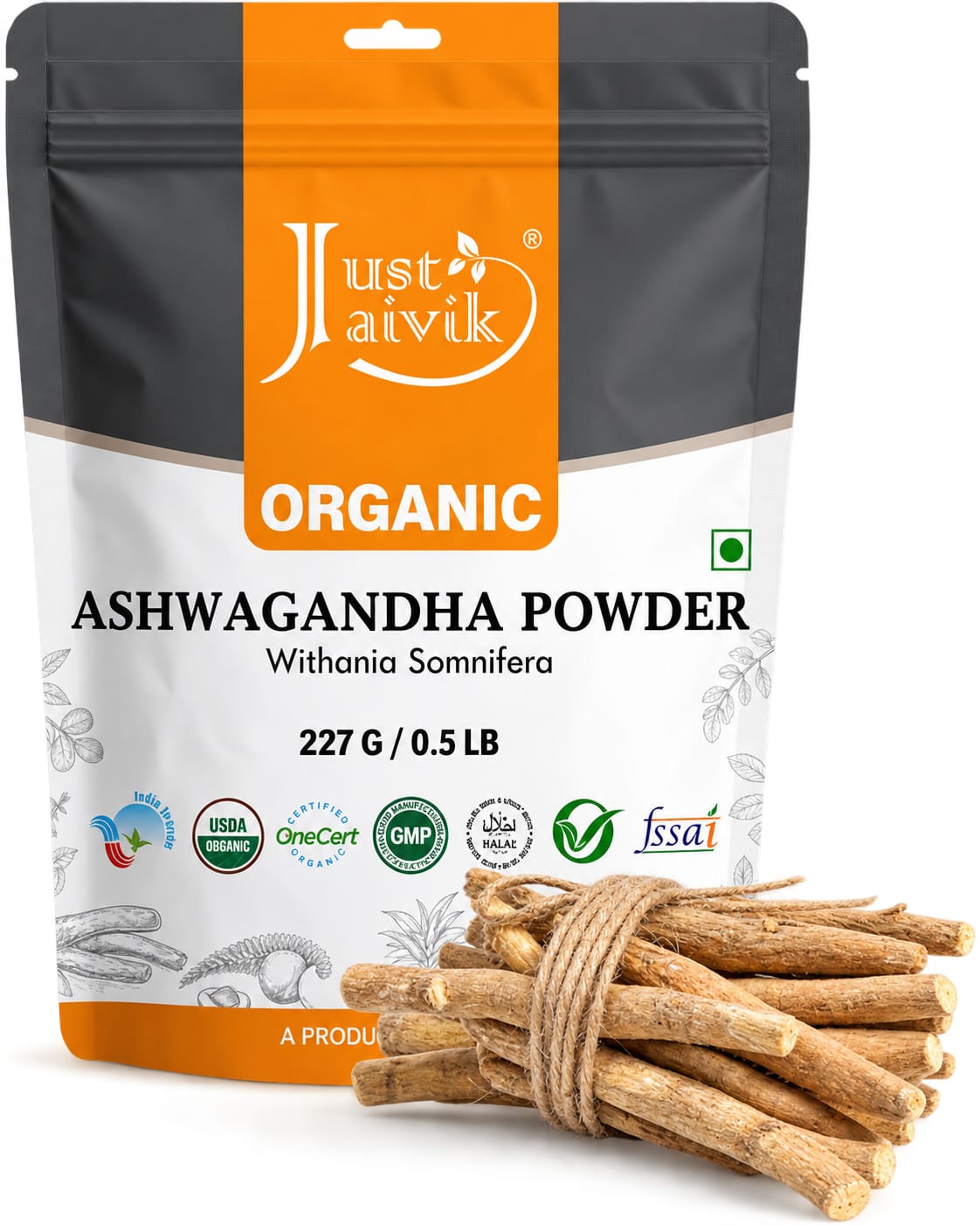
Ashwagandha Powder, generically known as Withania somnifera, is an herbal supplement made from the root and berry of an evergreen shrub used in Ayurvedic medicine. It is classed as an adaptogen and is used for stress, sleep, male fertility support, and several other conditions. It contains natural compounds called withanolides and is generally used for short periods due to limited long-term safety data.
What is Ashwagandha Powder
Ashwagandha is an evergreen shrub whose root and berry are used to make an herbal remedy. It is a staple of Ayurvedic (traditional Indian) medicine and is used as an adaptogen, a substance believed to help the body cope with stress.
Ashwagandha Powder uses
- Stress and anxiety
- Trouble sleeping (insomnia)
- Male fertility and testosterone support
- Arthritis
- Attention deficit hyperactivity disorder (ADHD)
- Bipolar disorder
- Balance problems (cerebellar ataxia)
- Fatigue during cancer treatment (chemotherapy)
- Diabetes (blood sugar control)
- High cholesterol
Benefits of Ashwagandha Powder
- May help lower the stress hormone cortisol and reduce feelings of stress
- May improve sleep quality and help you fall asleep faster
- May modestly improve sperm quality and testosterone levels in men
- May help reduce blood sugar and cholesterol levels in some people
- Some users report better focus, energy, and mental clarity
How Ashwagandha Powder works
Ashwagandha contains natural chemicals called withanolides that may help calm the brain, reduce inflammation, lower blood pressure, and change how the immune system works. It is thought to work as an adaptogen by affecting the body's stress-response pathways and lowering levels of the stress hormone cortisol.
Ashwagandha Powder dosage
In Ayurvedic medicine, the dried root is ground into a powder and stirred into warm milk. The powder can also be mixed into drinks such as water or juice. Some people take it earlier in the day for stress or focus, and closer to bedtime if using it for sleep. It is usually taken for a short period of time, such as a few months, due to limited long-term safety data.
Use exactly as prescribed by your doctor or pharmacist.
Available forms and strengths
- Powder
- Capsules
- Gummies
- Liquid drops
Side effects of Ashwagandha Powder
Common
- Stomach upset
- Diarrhea
- Vomiting
- Nausea
- Drowsiness
- Loose stools
Serious
- Liver injury or impaired liver function
- Increased thyroid hormone levels, which can worsen hyperthyroidism
- Allergic reactions such as hives, facial swelling, or trouble breathing
Warnings and precautions
- Do not take ashwagandha if you are pregnant. It may increase the risk of miscarriage or cause uterine contractions. Not enough is known about using ashwagandha while breastfeeding, so it's best to avoid it.
- People with significant kidney disease should discuss supplements with their clinician before use. Ashwagandha may have negative effects on the liver, and rare cases of liver injury have been reported. Combining alcohol with a supplement that causes drowsiness may increase impairment. It can cause drowsiness, so avoid driving if affected.
- People with diabetes should watch their blood sugar closely, since ashwagandha may lower blood sugar levels and could interact with diabetes medications.
- People with high or low blood pressure should use ashwagandha cautiously, as it may lower blood pressure further or interact with blood pressure medications.
- Avoid ashwagandha if you have a stomach ulcer, since it can irritate the digestive tract.
- People with autoimmune diseases such as multiple sclerosis, lupus, or rheumatoid arthritis should avoid ashwagandha, as it may make the immune system more active and worsen symptoms.
- Stop taking ashwagandha at least two weeks before scheduled surgery, since it may increase the effects of anesthesia and other medications.
- People with thyroid conditions should use ashwagandha cautiously or avoid it, as it may raise thyroid hormone levels.
- Ashwagandha may interact with medications for diabetes, high blood pressure, sedatives, immune-suppressing drugs, and thyroid hormone, increasing their effects or risks.
- Do not take ashwagandha if you have prostate cancer.
When to see a doctor
- Get medical help if you develop signs of liver problems, such as yellowing skin or eyes, severe stomach pain, or dark urine, since ashwagandha has rarely been linked to liver injury.
- Seek medical attention if you have an allergic reaction, such as hives, facial swelling, or difficulty breathing.
- Contact a doctor if you notice symptoms of thyroid overactivity, since ashwagandha can increase thyroid hormone levels.
Alternatives
- Chamomile
- Lemon balm
- Magnesium
Watch the video
FAQs
What is Ashwagandha Powder used for?
It is used for stress and anxiety, trouble sleeping, male fertility and testosterone support, arthritis, ADHD, bipolar disorder, balance problems, fatigue during chemotherapy, diabetes, and high cholesterol.
How does Ashwagandha Powder work?
It contains withanolides that may help calm the brain, reduce inflammation, lower blood pressure, and affect immune function. It acts as an adaptogen by influencing stress-response pathways and lowering cortisol levels.
How is Ashwagandha Powder taken?
In Ayurvedic medicine, the dried root powder is stirred into warm milk, or it can be mixed into water or juice. Some take it earlier in the day for stress or focus and closer to bedtime for sleep. It is usually used short-term, such as a few months.
What are the side effects of Ashwagandha Powder?
Common side effects include stomach upset, diarrhea, vomiting, nausea, drowsiness, and loose stools. Serious effects can include liver injury, increased thyroid hormone levels, and allergic reactions like hives or facial swelling.
Who should avoid Ashwagandha Powder?
Pregnant women should avoid it due to miscarriage risk, and it's best avoided while breastfeeding. People with stomach ulcers, autoimmune diseases, prostate cancer, or thyroid conditions should also avoid or use it cautiously, and it should be stopped two weeks before surgery.
General information, not medical advice
Your prescriber and the leaflet in your pack know your situation. This page does not.
- Follow your prescriber and the leaflet
- Don't start, stop, or change a dose on your own
- Doses and warnings differ by country and product
Sources
Video
Related medicines

Injectafer Injection: Uses, Dosage, Side Effects, Precautions and Alternates
Iron products
Injectafer (ferric carboxymaltose) treats iron deficiency anemia and heart failure-related iron deficiency via IV. Learn uses, dosage, side effects, and

Gliclazide Tablet: Uses, Dosage, Side Effects, Precautions and Alternates
Sulfonylurea (hypoglycemic/antidiabetic agent)
Gliclazide Tablet is a sulfonylurea for type 2 diabetes that boosts insulin release. Learn about dosage, side effects, warnings, and precautions.