Ponstan Capsule: Uses, Dosage, Side Effects, Precautions and Alternates
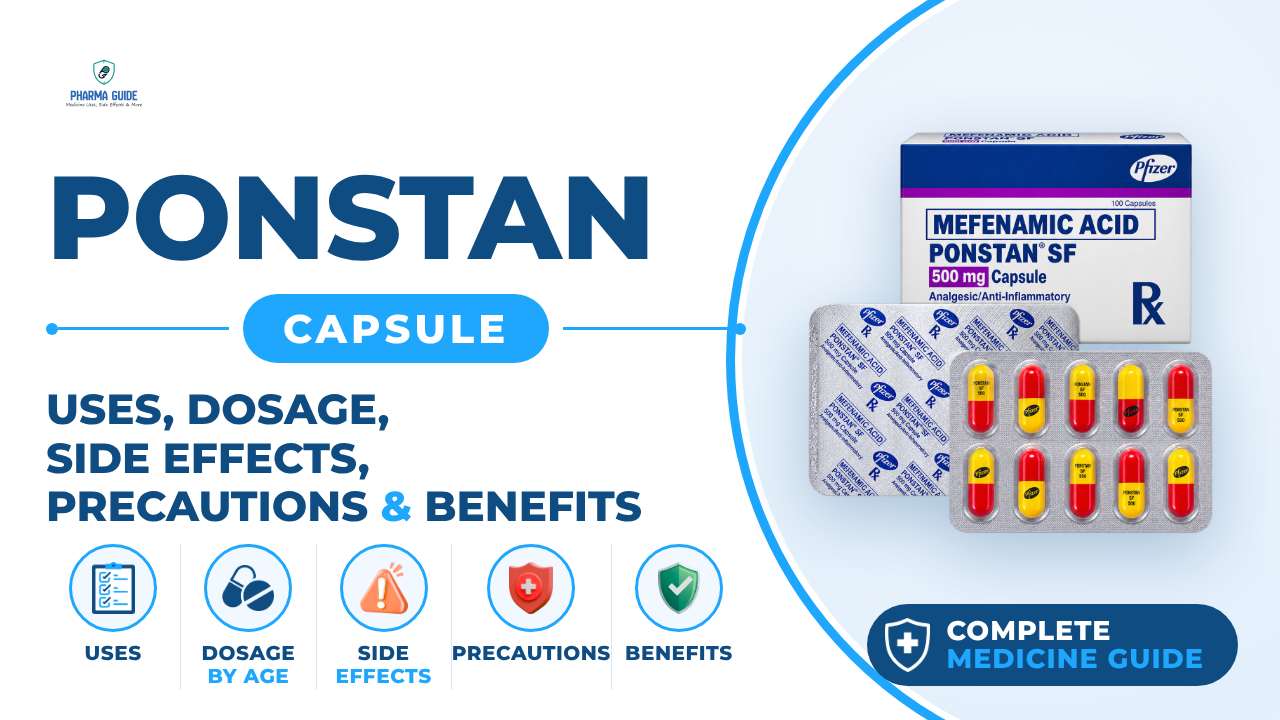
| Generic name | Mefenamic acid |
|---|---|
| Drug class | Non-Steroidal Anti-Inflammatory Drug (NSAID) |
| Forms | Capsule |
Quick overview
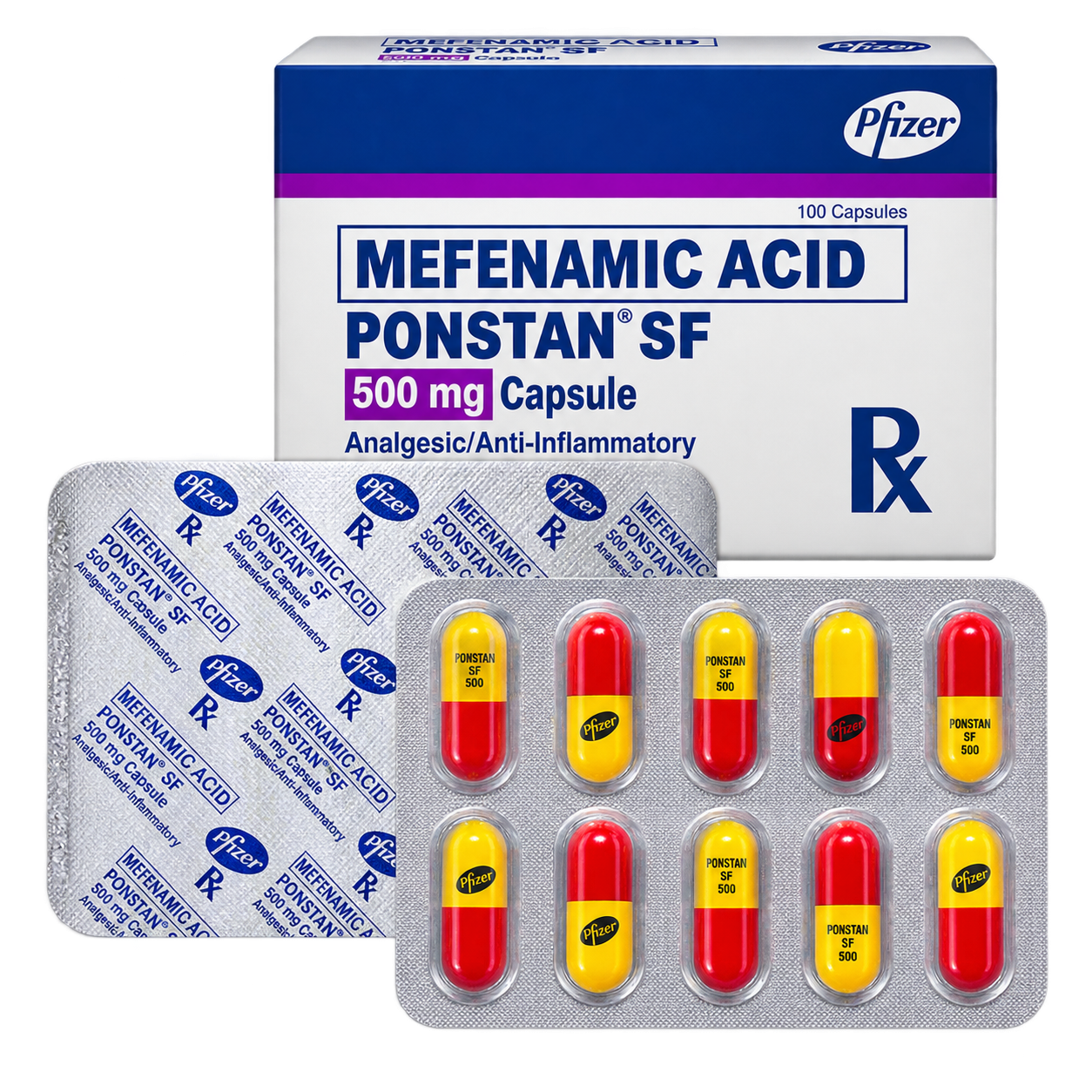
Ponstan Capsule contains mefenamic acid, a Non-Steroidal Anti-Inflammatory Drug (NSAID) that relieves pain and inflammation. It is used for period pain, heavy periods, short-term relief of pain from muscle and joint injuries, and dental pain. Ponstan does not cure the underlying condition and is not addictive. It should be used exactly as prescribed, with attention to dosage limits and important precautions.
What is Ponstan Capsule
Ponstan contains mefenamic acid, which belongs to a group of medicines called Non-Steroidal Anti-Inflammatory Drugs (NSAIDs). These medicines work by relieving pain and inflammation. Although Ponstan can relieve the symptoms of pain and inflammation, it will not cure your condition. Ponstan is not addictive.
Ponstan Capsule uses
- Relieving the symptoms of period pain
- Treating heavy periods
- Short term relief of pain from muscle and joint injuries such as sprains, strains and tendonitis
- Dental pain
Benefits of Ponstan Capsule
- Relieves the symptoms of pain and inflammation
- Helps relieve period pain and heavy periods
- Relieves mild to moderate pain
- Helps reduce menstrual (period) pain
- Reduces inflammation and swelling
- Helps relieve toothache
- Relieves muscle and joint pain
- Helps with headache and other acute pain
- Can help reduce pain associated with arthritis
How Ponstan Capsule works
Mefenamic acid is an NSAID that works by relieving pain and inflammation.
Ponstan Capsule dosage
Swallow the capsules whole with a full glass of water. Do not chew the capsules. Take with or after food, as this may help reduce the possibility of stomach upset. Take at the first sign of pain to maximise effectiveness. Do not take for longer than your doctor says and do not exceed the dose your doctor recommends. Do not use in children under 14 years of age.
If you miss a dose and it is almost time for your next dose, skip the missed dose and take your next dose when you are meant to. Do not take a double dose to make up for a missed dose.
| Age group | Dose |
|---|---|
| Under 14 years | Generally not recommended |
| 14–17 years | 500 mg initially, then 250 mg every 6 hours when prescribed |
| 18–64 years | 500 mg initially, then 250 mg every 6 hours |
| 65+ years | Use the lowest effective dose for the shortest duration, under medical supervision |
Available forms and strengths
- Capsule
Side effects of Ponstan Capsule
Common
- Stomach upset including nausea (feeling sick)
- Vomiting
- Heartburn
- Indigestion
- Cramps
- Loss of appetite
- Constipation
- Diarrhoea
- Pain in the stomach
- Wind
- Dizziness, light-headedness
- Drowsiness
- Sleeplessness
- Fluid retention, swelling
- Nervousness
- Headache
Serious
- Severe allergic reaction, including swelling of the face, lips or tongue causing difficulty swallowing or breathing
- Asthma, wheezing, shortness of breath
- Sudden or severe itching, skin rash, hives
- Pain or tightness in the chest
- Vomiting blood or material that looks like coffee grounds
- Severe pain or tenderness in the stomach
- Severe diarrhoea
- Bleeding or bruising more easily than normal
- Reddish or purplish blotches under the skin
- Severe blistering and/or peeling of layers of skin
- Yellowing of the skin and eyes (jaundice)
- Signs of low iron levels (anaemia) such as tiredness, being short of breath, and looking pale
- Fainting, seizures or fits
- Severe dizziness
- Bleeding from the back passage, black sticky bowel motions or bloody diarrhoea
- Change in the colour of urine, blood in the urine
- A change in the amount or frequency of urine passed, burning feeling when passing urine
- Bulky, grey or pale coloured stools
- Extreme sensitivity to bright light
- Eye problems such as blurred vision or loss of colour vision
- Ear pain
- Stiff neck
- Severe or persistent headache
- Severe blisters and bleeding in the lips, eyes, mouth, nose and genitals
- Fast or irregular heartbeats (palpitations)
- Excessive sweating
- Signs of frequent or worrying infections such as fever, severe chills, sore throat or mouth ulcers
- Worsening blood sugar levels in patients with diabetes
- Unusual weight gain, swelling of ankles or legs
Warnings and precautions
- Do not use Ponstan in children under 14 years of age.
- Do not use Ponstan if you are allergic to mefenamic acid, aspirin, or any other NSAID medicine including COX-2 inhibitors. If you are allergic and take Ponstan, symptoms may be severe and require urgent medical attention.
- Do not use Ponstan if you have a gastric ulcer, inflammation or ulceration of the stomach or bowel, kidney disease, severe heart failure, liver failure, or if you had diarrhoea with this medicine in the past.
- Use of Ponstan may increase your risk of developing cardiovascular events such as heart attack, even if you do not have a history of heart disease.
- NSAIDs including mefenamic acid can cause serious, potentially fatal stomach or bowel problems including bleeding, ulceration and perforation, which can occur at any time without warning.
- Ponstan may hide some of the signs of an infection and may make you mistakenly think you are well. Call your doctor straight away if you get an infection while using Ponstan.
- Do not give Ponstan to anyone else, even if they have the same condition, and do not use it to treat other complaints unless your doctor tells you.
- Ponstan must not be used at all during the third trimester of pregnancy.
- It should not be used during the first two trimesters unless the expected benefits to the mother outweigh the risks to the baby.
- Check with your doctor if you are pregnant or intend to become pregnant, and call your doctor straight away if you become pregnant while taking Ponstan.
- Ponstan is not to be used while breastfeeding. It passes into breast milk and may affect your baby.
- Talk to your doctor if you are breastfeeding or intend to breastfeed.
- Do not use Ponstan if you have kidney disease. It should not be given to patients with significantly impaired kidney function.
- Caution is needed and kidney function should be checked periodically.
- Do not use Ponstan if you have liver failure.
- It should be used with caution in patients with liver impairment, and you should watch for signs of liver problems.
- Be careful drinking alcohol while taking Ponstan.
- As with other NSAID medicines, alcohol may increase your risk of developing gastrointestinal complications. Tell your doctor if you drink alcohol.
- Be careful before you drive or use any machines or tools until you know how Ponstan affects you.
- It may cause dizziness, light-headedness, drowsiness and blurred vision in some people. If this occurs, do not drive.
Storage
- Store it in a cool dry place away from moisture, heat or sunlight, below 30°C.
- Do not store it in the bathroom or near a sink, or in the car or on window sills.
- Do not use this medicine after the expiry date.
- Keep it where young children cannot reach it.
- Keep your capsules in the pack until it is time to take them. If you take the capsules out of the pack they will not keep well.
- If you no longer need to use this medicine or it is out of date, take it to any pharmacy for safe disposal.
When to see a doctor
If you think you have taken too much Ponstan, you may need urgent medical attention. Contact your local poison control center, contact your doctor, or go to the Emergency Department at your nearest hospital, even if there are no signs of discomfort or poisoning.
Stop use and call your doctor straight away, or go straight to the Emergency Department at your nearest hospital, if you notice any serious side effects.
Call your doctor straight away if you become pregnant while taking Ponstan or if you get an infection while using it.
Alternatives
- Ibuprofen
- Naproxen
- Diclofenac
- Aceclofenac
- Meloxicam
- Celecoxib
- Etoricoxib
- Ketoprofen
- Indomethacin
FAQs
What is Ponstan Capsule used for?
Ponstan Capsule is used for relieving period pain, treating heavy periods, short term relief of pain from muscle and joint injuries such as sprains, strains and tendonitis, and dental pain.
What is the dosage of Ponstan Capsule for adults?
For adults aged 18-64 years, the dose is 500 mg initially, then 250 mg every 6 hours. Capsules should be swallowed whole with a full glass of water, taken with or after food, and not chewed.
Can Ponstan Capsule be used by children?
Ponstan should not be used in children under 14 years of age. For those aged 14-17 years, it may be used when prescribed at 500 mg initially, then 250 mg every 6 hours.
Can I drink alcohol while taking Ponstan Capsule?
You should be careful drinking alcohol while taking Ponstan, as alcohol may increase your risk of developing gastrointestinal complications. Tell your doctor if you drink alcohol.
Is Ponstan Capsule safe during pregnancy and breastfeeding?
Ponstan must not be used at all during the third trimester of pregnancy and should not be used during the first two trimesters unless benefits outweigh risks. It is not to be used while breastfeeding as it passes into breast milk and may affect the baby.
Sources
Video
Related medicines
Non-steroidal anti-inflammatory drug (NSAID)
Ketorolac Injection: Uses, Dosage, Side Effects, Precautions and Alternates
Ketorolac Injection is an NSAID for short-term relief of moderate to severe pain after surgery. Learn dosage, side effects, and safety warnings.
Non-steroidal anti-inflammatory drug (NSAID)
Ibuprofen Gel: Uses, Dosage, Side Effects, Precautions and Alternates
Ibuprofen Gel is a topical NSAID for muscle and joint pain, strains, sprains and backache. Learn uses, dosage, side effects and precautions.
Non-Steroidal Anti-Inflammatory Drug (NSAID)
Naprosyn Tablet: Uses, Dosage, Side Effects, Precautions and Alternates
Naprosyn Tablet (naproxen) relieves pain and inflammation in arthritis, period pain and muscle conditions. Learn dosage, side effects, and precautions.
Non-Steroidal Anti-Inflammatory Drug (NSAID)
Ketorolac Tablet: Uses, Dosage, Side Effects, Precautions and Alternates
Ketorolac Tablet is an NSAID for short-term relief of moderate to severe acute pain. Learn about its uses, dosage, side effects, and warnings.